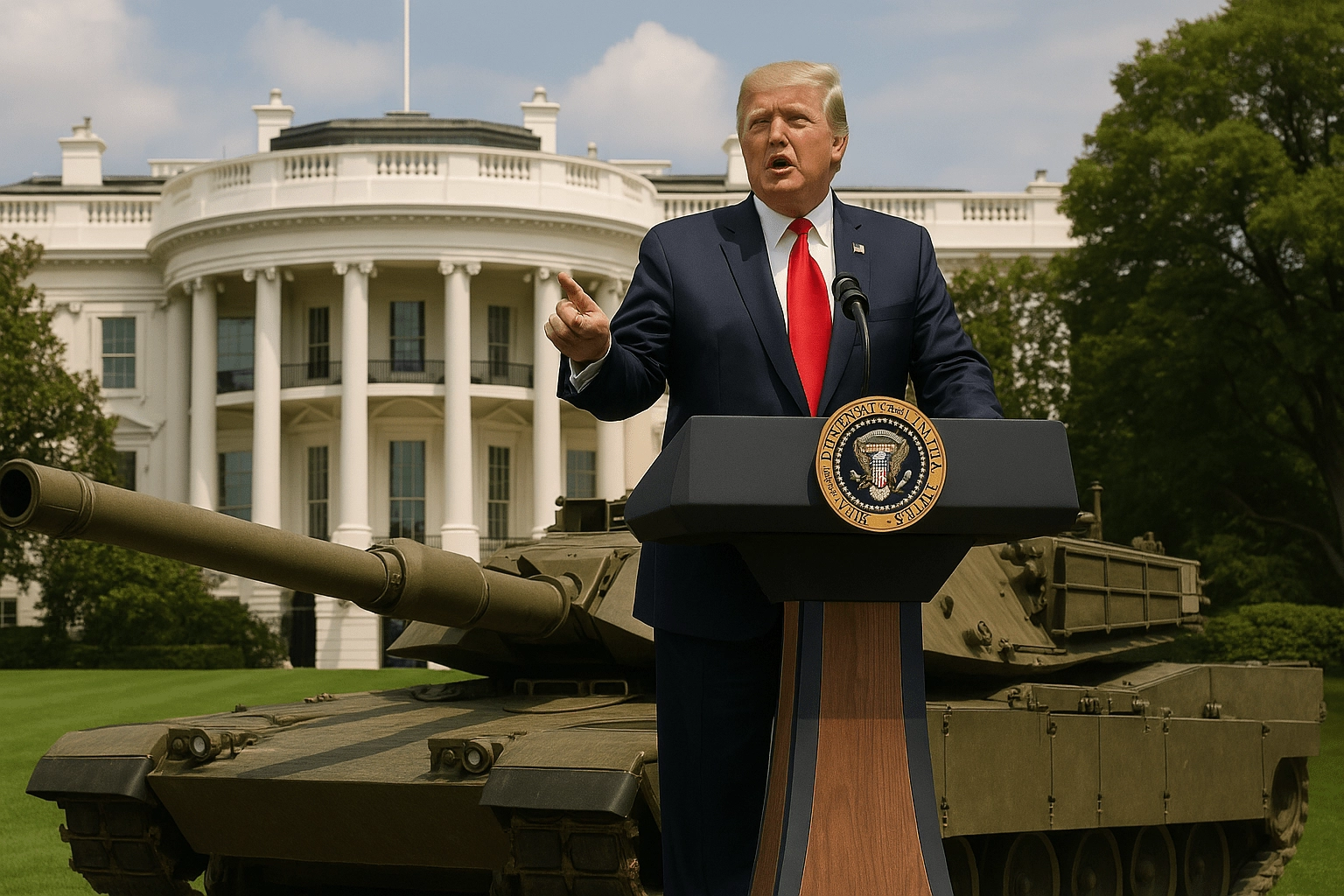
Recently, a significant statement emerged from the White House amid ongoing conflicts, emphasizing that the war will conclude at Donald Trump’s discretion. This assertion has raised eyebrows and sparked discussions about the complexities of international conflicts and the role of political leadership in resolving them. The comment suggests a level of confidence in the former president’s influence over the situation, implying that the resolution of the war is not merely a matter of military strategy but also hinges on political will and negotiation.
Moreover, the administration dismissed claims of a resolution within a mere three to five days as false. This dismissal of short-term predictions reflects a deeper understanding of the intricate and often unpredictable nature of warfare. It highlights the challenges that come with making quick assessments in a rapidly changing geopolitical landscape. The situation is often far more nuanced than it appears, requiring careful consideration and, at times, prolonged diplomatic efforts to achieve lasting peace.
As the world watches, the implications of such statements are profound. They not only shape public perception but also influence international relations and the strategies employed by other nations. The assertion that the war could end on Trump’s terms raises questions about the balance of power in global politics and the responsibilities of leaders in times of conflict. As discussions continue, it remains to be seen how these dynamics will play out and what impact they will have on the future of international peace and security.