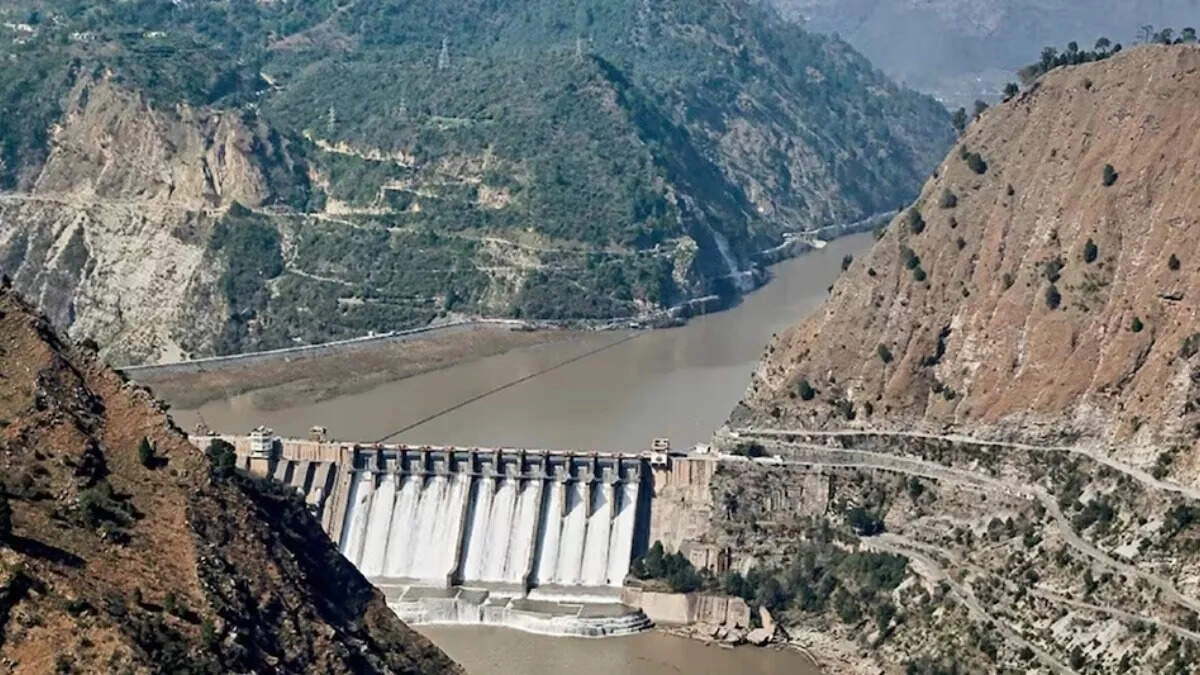
Tensions between India and Pakistan have significantly escalated, particularly concerning the Indus Water Treaty. Recently, Pakistan’s Defense Minister issued a striking statement that has heightened fears of conflict between the two nations. The Indus Water Treaty, which was signed in 1960, governs the allocation and management of water resources from the Indus River system, which is crucial for both countries. However, the ongoing disputes and political disagreements have strained this agreement, leading to increased hostilities.
In his statement, the Pakistani Defense Minister warned of severe consequences if India continues to exploit the water resources allocated to Pakistan under the treaty. This rhetoric has raised alarms about the possibility of military action, as he emphasized that Pakistan would not hesitate to take necessary measures to protect its water rights. The notion of war, once considered a distant possibility, is now being openly discussed, reflecting the rising stakes in the bilateral relationship.
The growing tensions over water resources underscore a broader struggle for control and access to vital resources in a region already fraught with political and military challenges. Both nations have faced water scarcity issues, and the Indus River system is essential for agriculture and drinking water for millions. As the situation unfolds, the international community is watching closely, urging both countries to engage in dialogue to resolve their differences peacefully. Continued escalation could lead to dire consequences not only for India and Pakistan but for the entire region, emphasizing the urgent need for diplomatic intervention and conflict resolution.