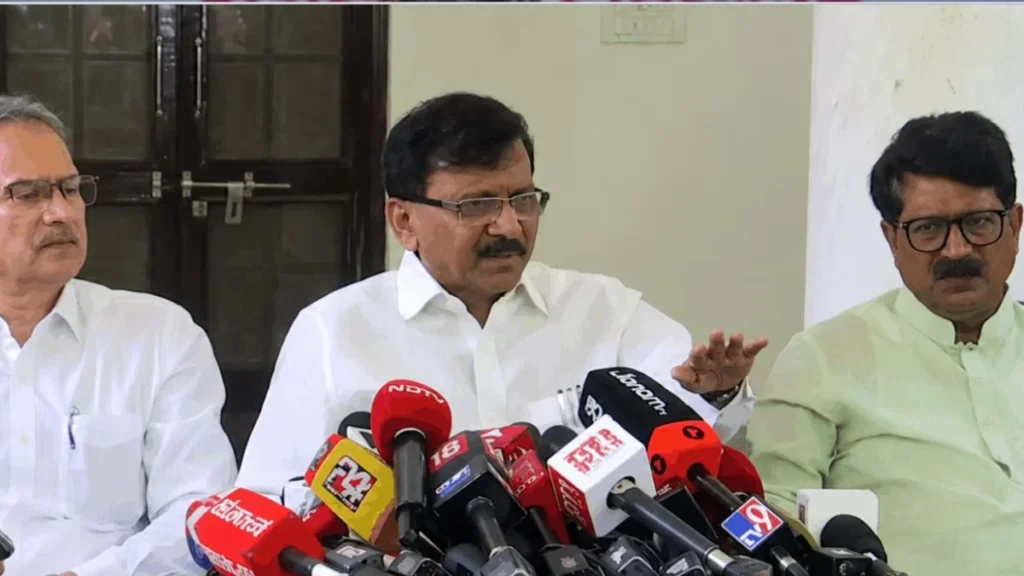
Sanjay Raut, a prominent figure in Indian politics and a senior leader of the Shiv Sena party, has recently found himself at the center of controversy due to his remarks directed at leaders who have chosen to defy the party line. As discussions of defections and political realignments intensify, Raut’s comments have sparked significant backlash from various quarters. Critics argue that his statements not only reflect a defensive stance but also signify a deepening rift within the party, which has faced challenges in maintaining unity amid shifting loyalties.
Raut’s remarks highlight the ongoing struggle within the Shiv Sena, particularly as some members contemplate breaking away to join rival factions. This internal conflict is exacerbated by the broader political landscape in Maharashtra, where alliances are constantly in flux. The discontent among party members has raised questions about leadership and the future direction of the Shiv Sena, with Raut’s words serving as a reminder of the tensions that exist within the party. Many observers believe that the criticism aimed at Raut may stem from a desire for a more inclusive dialogue that addresses the concerns of dissenting leaders rather than dismissing them outright.
As the situation unfolds, the potential for further defections looms large, prompting party loyalists to rally around their leadership while also acknowledging the need for reform. The Shiv Sena’s ability to navigate this turbulent period will depend significantly on how effectively it can address the grievances of its members while presenting a united front against external pressures. Raut’s comments, while intended to assert authority, may have inadvertently highlighted the fragility of the party’s cohesion in the face of growing dissent. The coming weeks will be crucial for the Shiv Sena as it seeks to stabilize its ranks and maintain its influence in Maharashtra’s ever-evolving political arena.