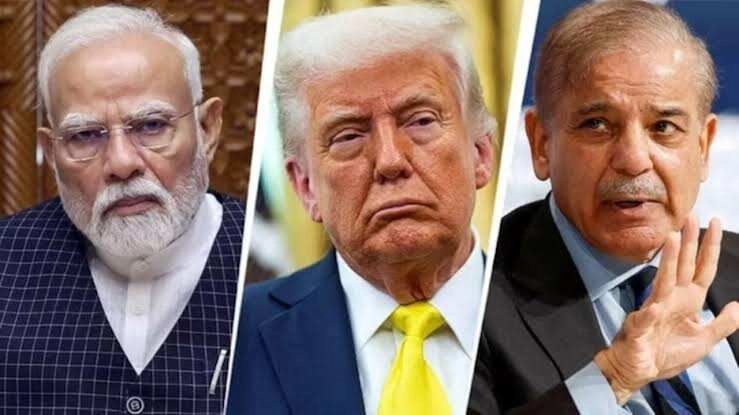
The relationship between India and Pakistan has long been characterized by tension and conflict, with numerous factors contributing to the ongoing strain. Recent events have brought to light various predictions and strategic maneuvers that have shaped the dynamics between the two nations. Among these, former President Donald Trump’s statements and strategic gamesmanship have sparked interest and debate regarding their potential implications for the region. Trump’s predictions about geopolitical shifts and conflicts have often been viewed with skepticism, but some have seemingly gained traction in the context of India-Pakistan relations.
One notable aspect of this situation is the recent ceasefire agreements that have been established along the Line of Control. These ceasefires, while temporary measures to reduce hostilities, reflect the ongoing volatility of the situation. Trump’s predictions regarding the necessity of dialogue and negotiation between India and Pakistan seem to resonate, as both nations have faced increasing pressure from the international community to de-escalate tensions. The role of external actors in influencing this dialogue cannot be overlooked, as countries like the United States have historically played significant roles in mediating conflicts in South Asia.
Additionally, the political landscape within India and Pakistan has seen significant changes that impact the bilateral relationship. The resignation of key political figures, such as Labor Party leader Keir Starmer in the UK, has implications for international politics and alliances. The shifting political dynamics can create opportunities for renewed discussions or, conversely, exacerbate existing rivalries. Ultimately, the interplay of these factors, combined with Trump’s strategic predictions, highlights the complex and evolving nature of India-Pakistan relations, where the potential for both conflict and cooperation remains ever-present.