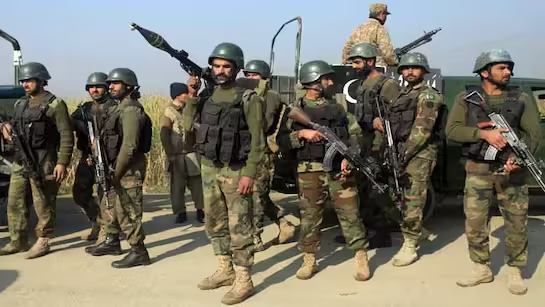
In a recent series of events that have escalated tensions in the region, Afghanistan has reportedly conducted surgical strikes in Pakistan, resulting in significant destruction and loss of life. This operation led to the devastation of vehicles and military installations, leaving them engulfed in smoke and chaos. Eyewitness accounts describe a scene of turmoil, with the aftermath of the strikes showcasing the extent of the damage inflicted on military assets. The strikes have not only caused material losses but have also resulted in the tragic deaths of three soldiers, further intensifying the conflict between the two neighboring countries.
The implications of these surgical strikes are profound, as they signal a shift in the dynamics of cross-border hostilities. The strikes are seen as a demonstration of Afghanistan’s military capabilities and a show of strength against perceived threats. In Pakistan, the government and military are likely to respond to this provocative action, which could lead to a cycle of retaliation and escalation. The loss of life is particularly poignant, as it highlights the human cost of such military operations and the potential for further tragedies if tensions continue to rise.
As both nations grapple with the consequences of these strikes, international observers are closely monitoring the situation. Diplomatic efforts may be necessary to de-escalate the conflict and prevent further military engagements. The strikes serve as a stark reminder of the fragility of peace in the region and the complexities involved in Afghan-Pakistani relations. With both sides entrenched in their positions, finding a resolution will require careful negotiation and a willingness to engage in dialogue to avoid further loss of life and property. The event underscores the urgent need for a comprehensive approach to address the underlying issues fueling these conflicts.