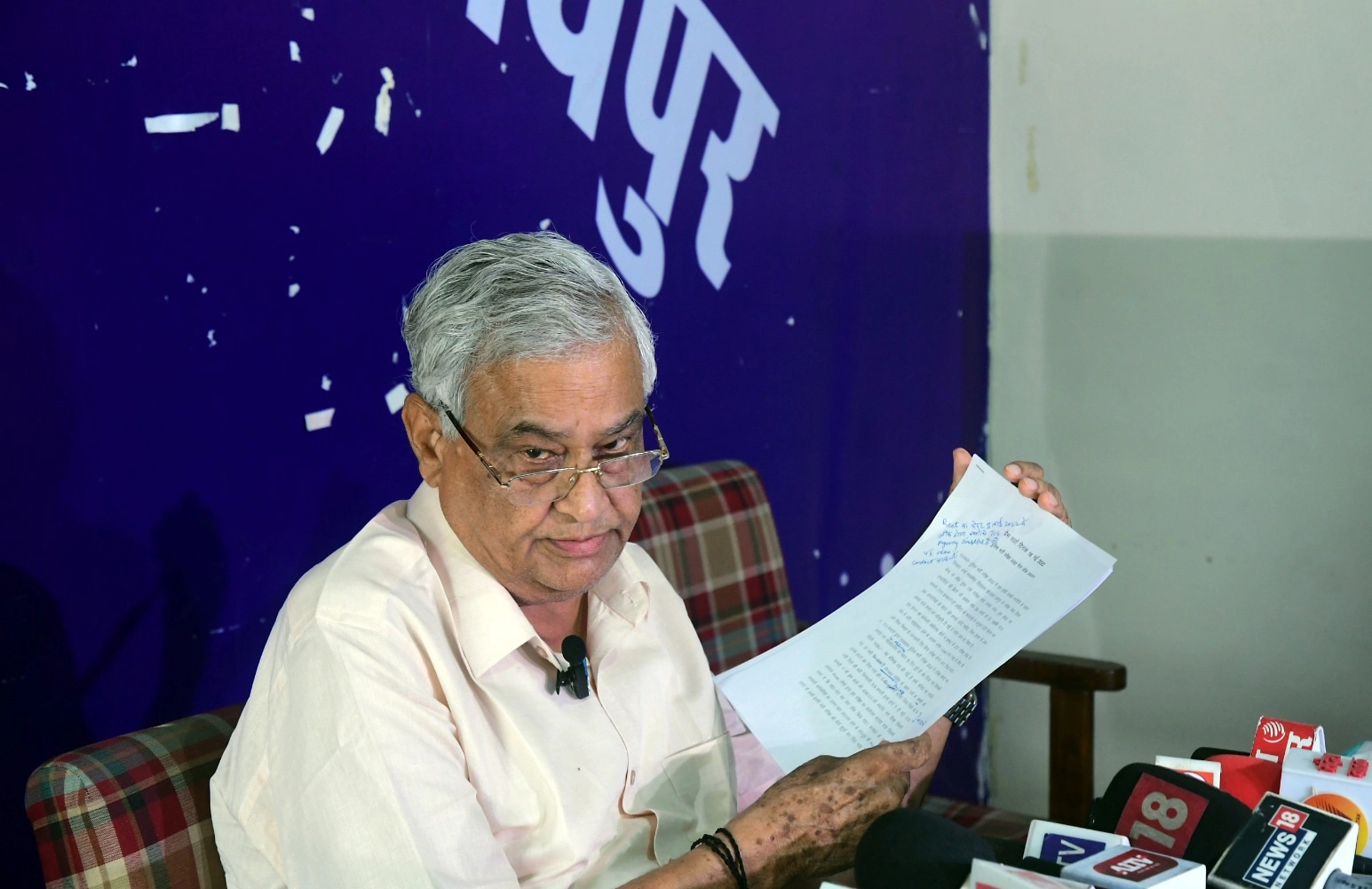
Sukhbir Badal, the leader of the Shiromani Akali Dal and former Deputy Chief Minister of Punjab, has made a significant statement regarding accountability in the state government. He emphasized that the Chief Minister of Punjab, along with his supporting officials, will be held responsible for corruption. This declaration comes amid growing concerns about the prevalence of corrupt practices within the state’s administration. Badal’s assertion reflects a commitment to transparency and integrity in governance, which he believes is essential for restoring public trust in political institutions.
The issue of corruption has been a longstanding challenge in Punjab, affecting various sectors and undermining the effectiveness of government initiatives. By calling for accountability among top officials, Badal aims to highlight the need for stringent measures to combat corruption. He advocates for a systematic approach to ensure that those in power are not above the law and that they face consequences for any malfeasance. This approach is crucial for fostering a culture of responsibility within the government, which, in turn, can lead to more effective governance and improved public services.
Moreover, Badal’s statement resonates with the demands of the public, who are increasingly frustrated with the lack of accountability and transparency in political affairs. Citizens expect their leaders to act in the best interest of the community and to manage resources judiciously. Holding officials accountable for corruption can serve as a deterrent to potential wrongdoers and can inspire confidence among the electorate. It is essential for political leaders to not only promise reform but also to take concrete actions that demonstrate their commitment to ethical governance.
In conclusion, Sukhbir Badal’s call for accountability among the Chief Minister and his aides is a crucial step towards addressing the corruption that has plagued Punjab. By advocating for responsible governance, he underscores the importance of integrity in public service. The path to a corruption-free administration requires collective effort and unwavering resolve from both political leaders and the public. As the discourse around corruption continues to evolve, it is vital for stakeholders to engage in constructive dialogue and to work collaboratively towards a more transparent and accountable governance framework in Punjab.