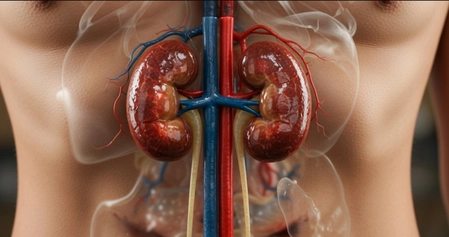
Before kidney failure occurs, the body often provides several warning signs that should not be ignored. The kidneys play a vital role in filtering waste products from the blood, regulating blood pressure, and maintaining the body’s electrolyte balance. When they begin to fail, their ability to perform these essential functions diminishes, leading to various physical symptoms. Recognizing these early warning signs can be crucial for timely intervention and treatment.
One of the first indicators of potential kidney issues is a change in urination patterns. This can manifest as increased frequency, especially at night, or a decrease in the amount of urine produced. Additionally, urine may appear foamy or bubbly, indicating the presence of excess protein, which is a red flag for kidney dysfunction. Another common symptom is swelling in the legs, ankles, or feet, which can occur due to fluid retention as the kidneys struggle to eliminate excess fluids from the body.
Fatigue and weakness are also significant signs that should not be overlooked. As kidney function declines, the production of erythropoietin, a hormone that stimulates red blood cell production, decreases, leading to anemia and resulting in a feeling of persistent tiredness. Furthermore, individuals may experience unexplained nausea, changes in appetite, or even shortness of breath, which can further complicate their overall health.
It’s essential to pay attention to these warning signs and consult a healthcare professional if they arise. Early detection and intervention can prevent further deterioration of kidney function and improve the chances of effective management. Lifestyle changes, such as maintaining a healthy diet, staying hydrated, and managing blood pressure and diabetes, can also play a significant role in preserving kidney health. Ignoring these symptoms can lead to severe complications, underscoring the importance of being attentive to the body’s signals.