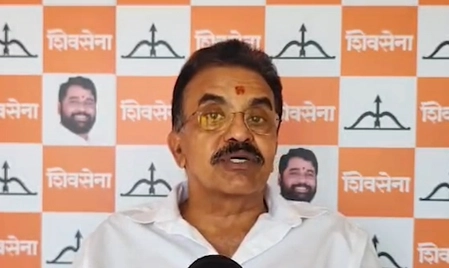
Dissatisfaction within the Trinamool Congress (TMC) has deepened, and this growing unrest among party members could potentially strengthen the National Democratic Alliance (NDA). Sanjay Nirupam, a key political figure, has emphasized that the internal discord within TMC is becoming increasingly pronounced. He believes that the dissatisfaction among TMC’s ranks is not merely a passing phase but a significant indication of dissent that could have broader implications for West Bengal’s political landscape.
Nirupam argues that as discontent grows within TMC, the possibility of party members shifting their allegiance to the NDA becomes more likely. This shift could potentially bolster the NDA’s position in the region, allowing it to gain a stronger foothold in West Bengal politics. The dissatisfaction could stem from various issues, including leadership decisions, policy disagreements, or a general sense of disenchantment with the party’s direction under its current leadership.
Moreover, the ramifications of this internal strife could extend beyond just TMC and the NDA; it could also influence voter sentiment and alter the dynamics of upcoming elections. As TMC faces these challenges, the opposition, particularly the NDA, may seize the opportunity to capitalize on the situation, presenting themselves as a viable alternative to the electorate. The unfolding scenario indicates a potential shift in political alliances and power structures within the state, warranting close attention from political analysts and party strategists alike.