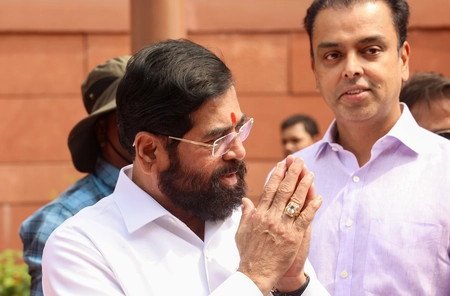
In recent developments, the topic of fuel saving has gained significant attention, particularly in the context of transportation choices made by prominent political figures. Eknath Shinde, a notable leader, opted for commercial flights for his recent travel, highlighting a practical approach to transportation that may contribute to reducing fuel consumption and maximizing efficiency. By choosing commercial flights, Shinde not only demonstrated a commitment to utilizing available resources effectively but also set an example for others in leadership positions to consider the environmental implications of their travel choices.
On the other hand, Sunetra Pawar took an innovative route by opting for an electric vehicle (EV) for her travel needs. This choice underscores a growing trend towards sustainable transportation solutions that aim to minimize the carbon footprint associated with traditional fuel-based vehicles. The use of electric vehicles is increasingly recognized as a vital step towards achieving a greener future, as they produce zero emissions during operation. Pawar’s decision reflects a proactive stance on environmental issues and aligns with global efforts to combat climate change through the adoption of cleaner technologies.
These contrasting travel choices made by Eknath Shinde and Sunetra Pawar serve as a reminder of the diverse strategies that can be employed to address fuel efficiency and environmental sustainability. As public figures, their decisions can influence public perception and encourage others to make more environmentally conscious choices. The growing awareness around fuel conservation and the exploration of alternative modes of transportation, such as electric vehicles, are crucial steps in the collective effort to mitigate environmental impact and promote a sustainable future for generations to come.