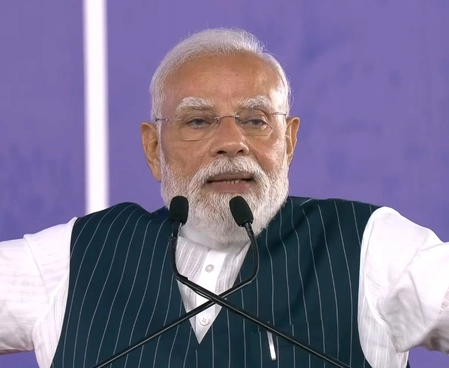
Prime Minister Narendra Modi has emphasized that India is making rapid strides toward becoming a global semiconductor hub. This assertion comes in the wake of the government’s concerted efforts to enhance the country’s manufacturing capabilities in the semiconductor sector, which is pivotal for various industries including electronics, automotive, and telecommunications. Semiconductors are the backbone of modern technology, and their demand is increasing significantly with the rise of digitalization and smart devices.
Modi highlighted the strategic importance of establishing a robust semiconductor ecosystem in India, which not only aims to reduce dependence on imports but also to position the country as a key player in the global supply chain. The Indian government has announced various initiatives and incentives to attract both domestic and international companies to invest in semiconductor manufacturing. This includes financial support, infrastructure development, and favorable policies to create an environment conducive to innovation and growth in this critical sector.
Moreover, the Prime Minister pointed out that the semiconductor industry has the potential to create millions of jobs and drive economic growth. By fostering a skilled workforce and encouraging research and development, India can emerge as a leader in semiconductor technology. The government’s vision is to ensure that India not only meets its own requirements but also becomes a major exporter of semiconductors to the world, thus contributing to global technological advancements.
As India gears up to embrace this opportunity, it is essential for all stakeholders, including industry leaders, educational institutions, and policymakers, to collaborate and create a sustainable and competitive semiconductor ecosystem. The journey toward becoming a semiconductor hub is not just about manufacturing; it is also about fostering innovation, enhancing digital infrastructure, and ensuring that the benefits of technology reach every corner of the country.