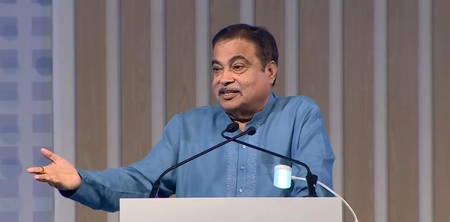
Union Minister Nitin Gadkari has announced that the government is working on a plan to blend 15 percent isobutanol with diesel in order to reduce the country’s dependence on crude oil imports. This initiative is part of a broader strategy to enhance energy security and promote the use of alternative fuels. By incorporating isobutanol, which can be derived from biomass and agricultural waste, the government aims to not only decrease reliance on fossil fuels but also to support sustainable agricultural practices.
The blending of isobutanol with diesel is expected to have multiple benefits. It is anticipated that this move will help in cutting down emissions, thereby contributing to environmental conservation. Furthermore, by promoting the use of domestically produced biofuels, the government hopes to boost the rural economy and create job opportunities in the agricultural sector. This approach aligns with India’s commitment to achieving cleaner energy sources while simultaneously addressing the economic challenges faced by farmers.
The initiative reflects a growing recognition of the need for diversification in energy sources, especially in light of fluctuating global oil prices and the increasing demand for energy. By investing in research and development for biofuels like isobutanol, the government is paving the way for a more sustainable energy future. As these plans unfold, it will be crucial for stakeholders across various sectors, including agriculture, energy, and environmental management, to collaborate effectively to ensure the successful implementation of this blending strategy.