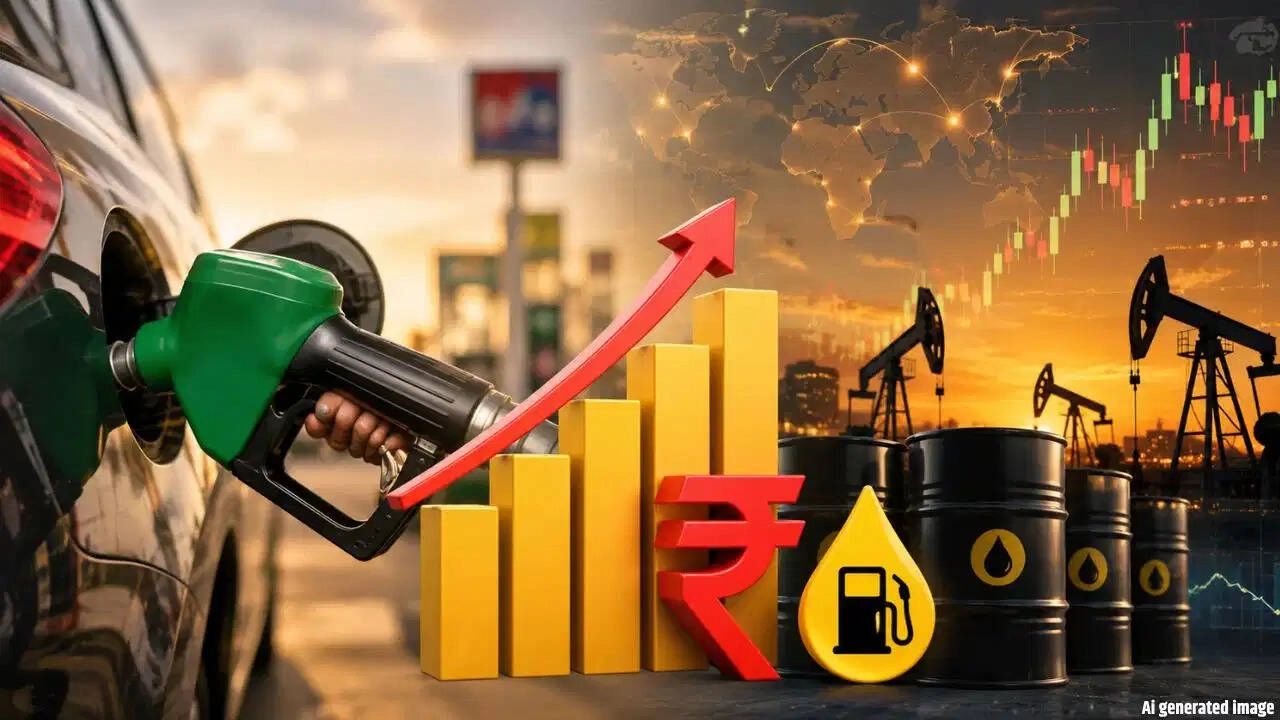
The recent hike in petrol and diesel prices has raised significant concerns among consumers and industry experts alike. It is not merely an increase of 3 to 4 rupees per liter; forecasts suggest that fuel prices could rise even further in the near future. Several factors are contributing to this unsettling trend, and understanding these can help clarify why consumers may need to brace themselves for even steeper costs at the pump.
One of the primary reasons for the anticipated price hike is the volatility of crude oil prices in the global market. Geopolitical tensions, fluctuations in production levels, and changes in demand can cause crude oil prices to spike unexpectedly. Additionally, the ongoing impact of the COVID-19 pandemic has disrupted supply chains, leading to shortages that further drive up costs. These dynamics create a challenging environment for fuel pricing, as any upward movement in crude oil prices is likely to be reflected at the retail level.
Moreover, domestic factors such as taxes and levies imposed by the government play a significant role in the final price of petrol and diesel. In many regions, high excise duties and state taxes account for a considerable portion of the fuel cost. As governments seek to bolster revenue in the wake of economic recovery efforts, there is a possibility of further tax increases, which would directly impact consumers. Consequently, the combined effect of global market trends and domestic fiscal policies means that the current price hike might just be the beginning, with future increases looming on the horizon.
In summary, while a 3 to 4 rupee hike may seem manageable in the short term, consumers should prepare for potential further increases in fuel prices. The interplay of international crude oil prices, domestic taxation policies, and economic recovery strategies are all contributing factors that could lead to sustained higher costs. As these elements continue to evolve, it remains crucial for consumers to stay informed and vigilant regarding fuel price trends and their implications.