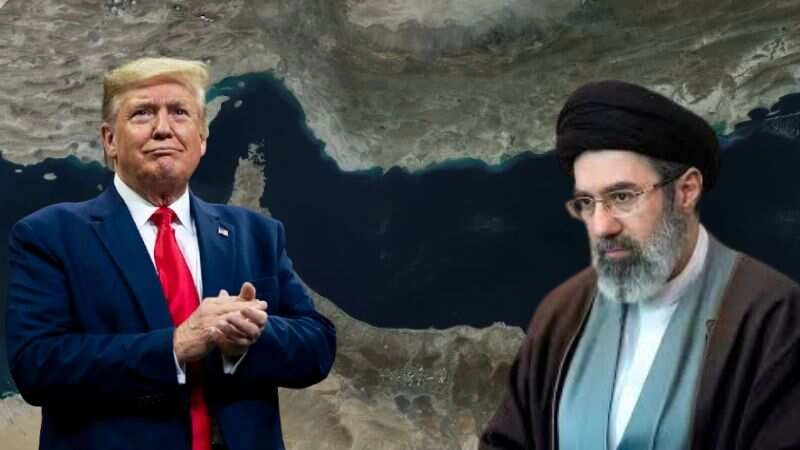
The recent developments in international relations have sparked discussions about the possibility of the United States yielding to significant demands from Iran. A central question arising from this situation is whether the strategic Strait of Hormuz, a vital waterway for global oil transport, will soon reopen for more extensive maritime traffic. This issue is crucial not only for the economies of oil-dependent nations but also for global energy security.
The Strait of Hormuz has long been a flashpoint in U.S.-Iran relations, often characterized by tensions and military posturing. The U.S. has maintained a strong naval presence in the region to ensure the safe passage of oil tankers and to counter any aggressive actions from Iran. Iran, on the other hand, has leveraged its control over this crucial waterway as a bargaining chip in negotiations, asserting its influence in the Persian Gulf. The potential for a shift in U.S. policy could indicate a willingness to engage diplomatically with Iran, potentially leading to a less confrontational approach.
If the Strait of Hormuz opens up more significantly, it could lead to a reduction in oil prices globally, benefiting economies that rely on affordable energy. However, the implications of this development extend beyond economics; they also touch on regional stability, security partnerships, and the geopolitical landscape in the Middle East. Observers are keenly watching how this situation unfolds, as it could signify a broader shift in U.S.-Iran relations and impact alliances in the region. The coming weeks may reveal whether this is merely a temporary concession or a step toward lasting diplomatic engagement.