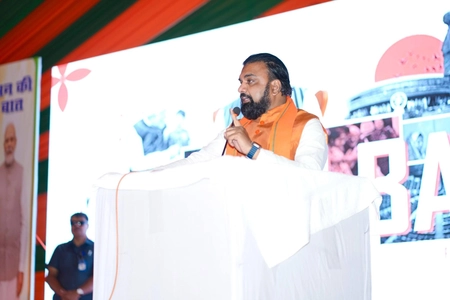
In Bihar, Chief Minister Samrat Choudhary has issued a stern warning to officials regarding the handling of pending files and applications. During a recent meeting, he emphasized the importance of timely decision-making and efficient governance. He stated that any official found guilty of deliberately keeping files pending or delaying processes without valid reasons would face strict consequences. This remark underscores the government’s commitment to ensuring that public services are delivered promptly and that citizens do not suffer due to bureaucratic red tape.
The Chief Minister’s warning comes in light of ongoing concerns about administrative delays that have plagued various sectors within the state. Many citizens have expressed frustration over the slow pace of approvals and the lack of accountability among officials. By highlighting the need for urgency and responsibility, CM Choudhary aims to instill a sense of seriousness among the bureaucratic ranks, ensuring that officials prioritize the needs and welfare of the public.
Moreover, the CM’s directive reflects a broader drive towards enhancing transparency and efficiency in government operations. He has called for regular reviews of pending cases and has encouraged officials to adopt a proactive approach in addressing issues that hinder development and progress. The government’s focus is not only on expediting processes but also on fostering a culture of accountability where officials are held responsible for their actions and decisions. This initiative is expected to improve the overall functioning of the administration and restore public trust in government services.
In conclusion, CM Samrat Choudhary’s clear stance against the practice of keeping files pending is a significant step towards reforming the bureaucratic landscape in Bihar. By prioritizing efficient governance and holding officials accountable, he aims to create a more responsive and responsible administration that meets the needs of its citizens effectively. This approach not only promises to streamline operations but also enhances the overall governance framework in the state, paving the way for sustainable development and growth.