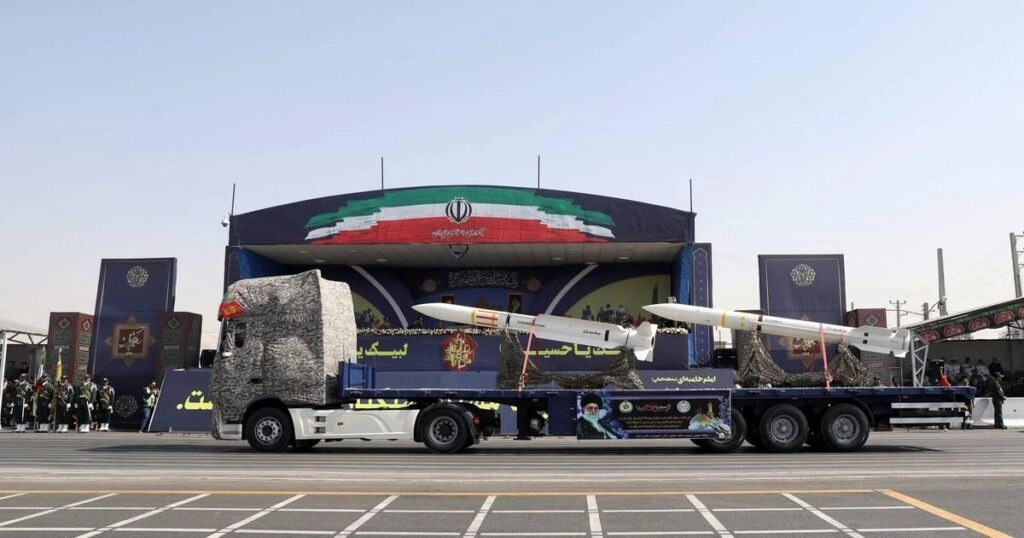
The question of why Iran remains resilient in the face of various pressures and challenges is multifaceted and deeply rooted in historical, political, and strategic factors. The concept of a “Ghost War” has emerged to describe the covert and often asymmetric conflicts that Iran engages in, which have significant implications for the global balance of power. This “Ghost War” involves a combination of cyber operations, proxy warfare, and intelligence strategies that allow Iran to exert influence beyond its borders while avoiding direct confrontation with established superpowers.
One of the key reasons Iran has not succumbed to external pressures is its deep-seated national identity and revolutionary ideology. The Iranian state has cultivated a sense of unity and purpose among its citizens, particularly through the narrative of resistance against foreign intervention and imperialism. This has enabled Iran to maintain internal cohesion despite economic sanctions and international isolation. Additionally, Iran’s strategic use of proxy groups across the Middle East has allowed it to project power and create a network of alliances that complicate any potential military actions against it.
Furthermore, the so-called “Ghost War” has illustrated the vulnerabilities of superpowers when faced with unconventional warfare tactics. Traditional military might is often less effective against guerrilla tactics, cyber warfare, and disinformation campaigns. Iran’s ability to adapt and innovate in these domains has not only preserved its sovereignty but has also forced superpowers to reconsider their strategies in the region. This asymmetrical approach has led to a re-evaluation of military engagements and political alliances, highlighting the complexities of modern warfare.
Ultimately, Iran’s resilience can be attributed to a combination of internal factors, such as national identity and revolutionary zeal, alongside its strategic maneuvering in the international arena. The “Ghost War” underscores the evolving nature of conflict in which superpowers must navigate a landscape shaped by non-state actors, cyber threats, and propaganda. As the dynamics of power continue to shift, Iran’s ability to endure and adapt reinforces its position in the geopolitical landscape, challenging the notion that military dominance guarantees control over a region.