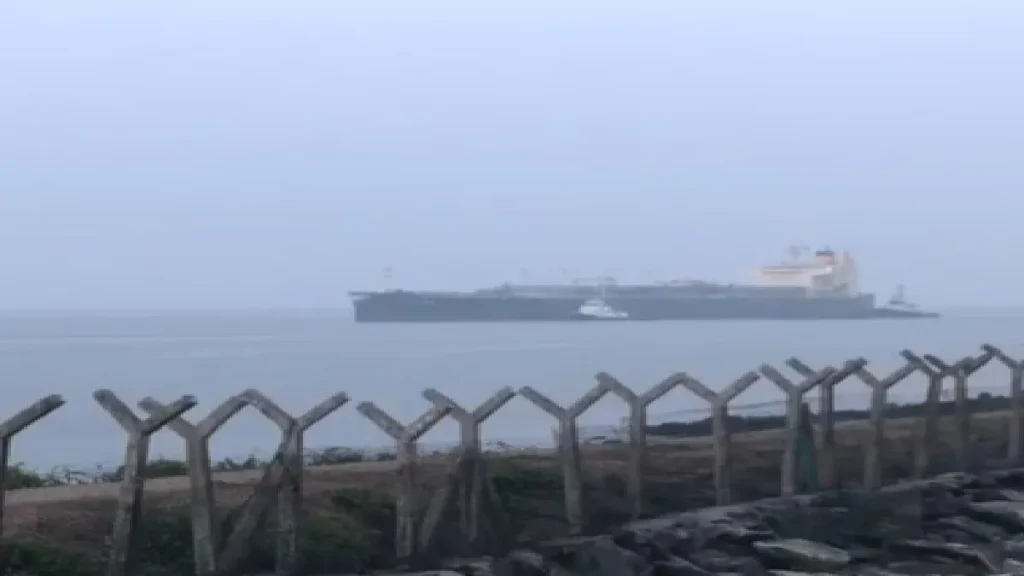
Two additional Indian vessels are making their way through the strategically significant Strait of Hormuz, transporting liquefied petroleum gas (LPG). This development highlights the ongoing importance of this narrow waterway, which serves as a critical transit route for a significant portion of the world’s oil and gas supplies. The Strait of Hormuz, located between Oman and Iran, is a vital passage for energy trade, with approximately 20% of the global oil supply passing through it. The arrival of these Indian ships underscores the nation’s commitment to securing its energy needs while navigating the complexities of regional geopolitics.
The inclusion of two more Indian ships in this crucial corridor not only reinforces India’s energy strategy but also showcases its growing maritime presence in a region that is often fraught with tension. The movement of LPG, a key energy resource, signifies India’s efforts to diversify its energy sources and reduce dependence on any single supplier. As global energy demand continues to rise, India’s proactive approach to securing fuel supplies through key shipping routes is vital for economic stability and growth.
Furthermore, the Strait of Hormuz has been a focal point of international attention due to its geopolitical significance. The presence of Indian vessels in these waters symbolizes not just energy trade but also the broader implications of national interests and security in the region. As India navigates its relationships with neighboring countries and global powers, the safe passage of these ships is a testament to its diplomatic efforts in maintaining peace and securing vital energy routes. Overall, the movement of these two Indian ships through the Strait of Hormuz reflects a broader narrative of energy security, regional stability, and the intricate dance of international relations in one of the world’s most important maritime corridors.