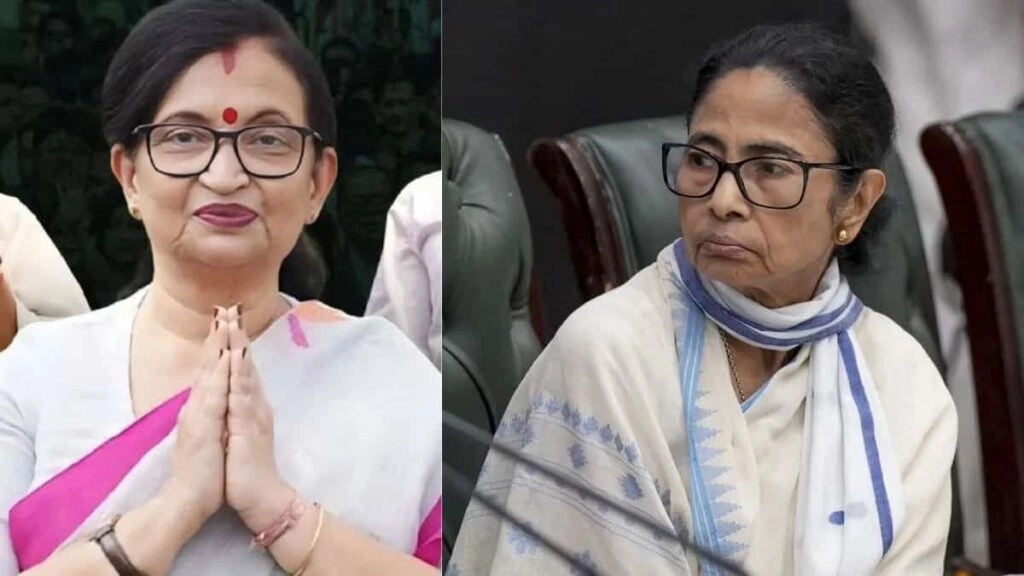
Mamata Banerjee, the Chief Minister of West Bengal and the leader of the Trinamool Congress (TMC), is facing a significant challenge as her party experiences internal turmoil. In a surprising turn of events, senior TMC leader Chandrima Bhattacharya has resigned from all her positions within the party. This unexpected departure has raised questions about the stability and unity of the TMC, especially as it prepares for future political battles. Bhattacharya’s exit is particularly notable given her prominence within the party, where she has held various roles and been a key figure in shaping the party’s policies and direction.
The resignation of Chandrima Bhattacharya is seen as a major setback for Mamata Banerjee, who has been grappling with various issues within the party. The TMC has faced criticism in recent years regarding its governance and handling of dissenting voices within its ranks. Bhattacharya’s decision to step down could further exacerbate the party’s existing challenges, as it struggles to maintain cohesion and address the concerns of its members. This situation comes at a time when the TMC is trying to consolidate its power and present a united front to counter opposition parties in the state.
As the political landscape in West Bengal continues to evolve, Mamata Banerjee will need to navigate this turmoil carefully. The departure of a senior leader like Bhattacharya may lead to a ripple effect, prompting other party members to reconsider their allegiance and positions. The TMC’s ability to recover from this setback will depend on how effectively Banerjee can address the underlying issues that led to Bhattacharya’s resignation and restore confidence in her leadership. The coming weeks will be crucial for the party as it seeks to regroup and prepare for the challenges ahead in the state’s political arena.