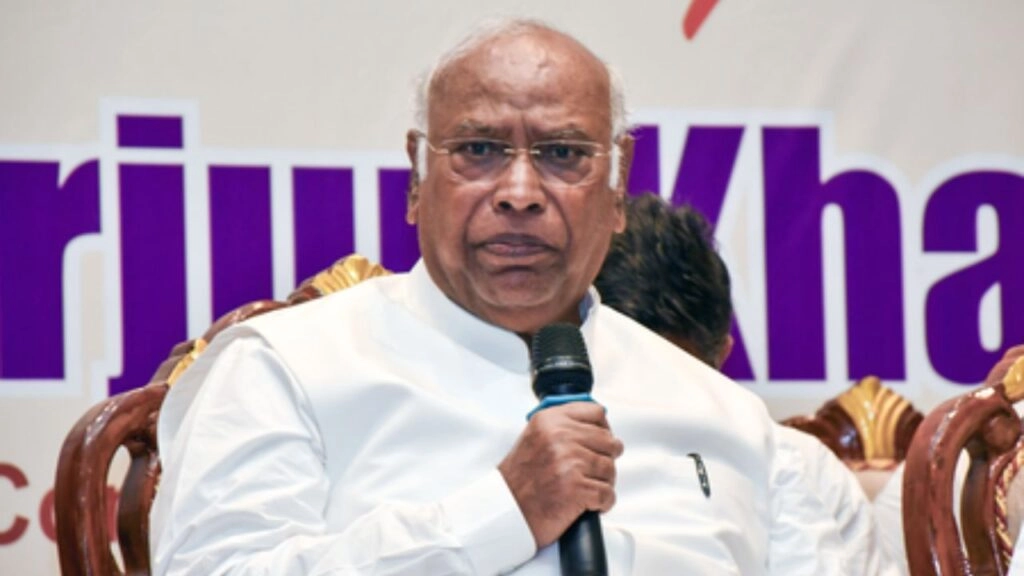
Mallikarjun Kharge, the president of the Indian National Congress, has found himself in a challenging situation following a controversial statement he made recently. The Election Commission of India has issued a notice to Kharge, seeking clarification regarding his remarks in which he referred to certain individuals as “terrorists.” This notice comes amid heightened scrutiny of political discourse during the ongoing election period, where every statement is subject to interpretation and potential backlash.
The Election Commission has given Kharge a strict deadline of 24 hours to respond to their inquiry. This urgency reflects the Commission’s commitment to maintaining the integrity of the electoral process and ensuring that all political figures adhere to established norms of conduct. Kharge’s statement has sparked significant debate, with critics arguing that such language can incite division and escalate tensions among various communities. Supporters, on the other hand, may contend that he was merely expressing a strong political stance against perceived threats to national security.
As the situation unfolds, it highlights the delicate balance politicians must maintain in their public communications, especially during an election season. Kharge’s predicament underscores the potential consequences of using charged language in political rhetoric. The outcome of this inquiry could have implications not only for Kharge’s political future but also for the broader political landscape as candidates navigate the complexities of campaigning in a diverse and often polarized environment.
The notice from the Election Commission serves as a reminder of the responsibilities that come with public office and the need for politicians to communicate thoughtfully. As Kharge prepares his response, observers will be keenly watching how he addresses the concerns raised by the Commission and whether his clarification will mitigate the impact of his initial statement or further complicate his standing in the electoral race.