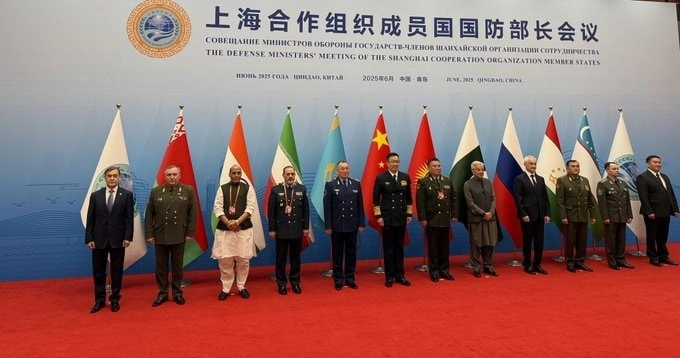
India has recently declined to sign a significant document presented at the Shanghai Cooperation Organization (SCO) meeting due to its omission of Pahalgam, a prominent tourist destination in the Indian-administered region of Jammu and Kashmir. Additionally, the document included references to Balochistan, a region within Pakistan that has been a point of contention between the two nations. This refusal reflects India’s ongoing concerns regarding territorial integrity and its steadfast stance on issues related to Kashmir and Balochistan.
The inclusion of Balochistan in the SCO document has been particularly provocative for India, which supports the rights of Baloch people who have been struggling for autonomy and recognition within Pakistan. This geopolitical tension underscores the complex dynamics at play within the SCO, where member states often have divergent interests. India’s decision to abstain from signing the document signals its unwillingness to compromise on matters it deems critical to its national integrity and security.
Moreover, Pahalgam holds cultural and historical significance for India, particularly as it is a popular destination for tourists and pilgrims alike. The exclusion of such a key location from a multilateral document raises questions about the representation of member states’ interests and concerns within the organization. India’s stance may also resonate with other nations that prioritize territorial integrity and the acknowledgment of all regions within their borders.
This episode illustrates the challenges faced by the SCO in navigating the diverse political landscapes of its member states. While the organization aims to foster cooperation and dialogue among member countries on various fronts, including security and economic development, underlying territorial disputes and national pride can complicate these efforts. India’s refusal to endorse the document reinforces its commitment to protecting its national interests and highlights the broader implications of regional politics within the SCO framework.