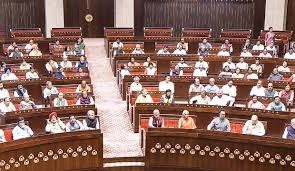
The issue of women’s reservation has become a focal point of political debate in India, particularly with the upcoming special session of Parliament. The INDIA alliance has expressed significant concern over what they perceive as a political conspiracy by the Central government, particularly in relation to the process of delimitation. Delimitation refers to the redrawing of boundary lines for electoral constituencies, a process that can greatly influence the representation of various demographics, including women.
The INDIA alliance, which comprises several opposition parties, has accused the ruling government of using the delimitation process as a tool to undermine the potential implementation of women’s reservation in Parliament and state legislatures. They argue that this maneuvering is part of a broader strategy to maintain political power while sidelining crucial issues, such as gender representation in governance. The alliance emphasizes that instead of facilitating women’s empowerment through legislative measures, the government is engaging in tactics that could dilute the effectiveness of any proposed reservation.
As the special session approaches, the stakes are high, and the opposition is rallying to ensure that women’s voices are not diminished in the political arena. The demand for women’s reservation has garnered widespread support, with advocates arguing that greater representation of women in decision-making bodies is essential for a more equitable society. The INDIA alliance’s claims suggest that the government may be attempting to distract from the pressing need for such reforms by focusing on administrative changes like delimitation.
This unfolding political drama highlights the tensions between the ruling party and opposition forces, as they grapple with fundamental issues of representation and governance. With the potential for significant changes in electoral dynamics, the upcoming session could be pivotal in determining the future of women’s representation in Indian politics. The outcome will likely have far-reaching implications, not only for women’s rights but also for the overall health of India’s democratic processes.