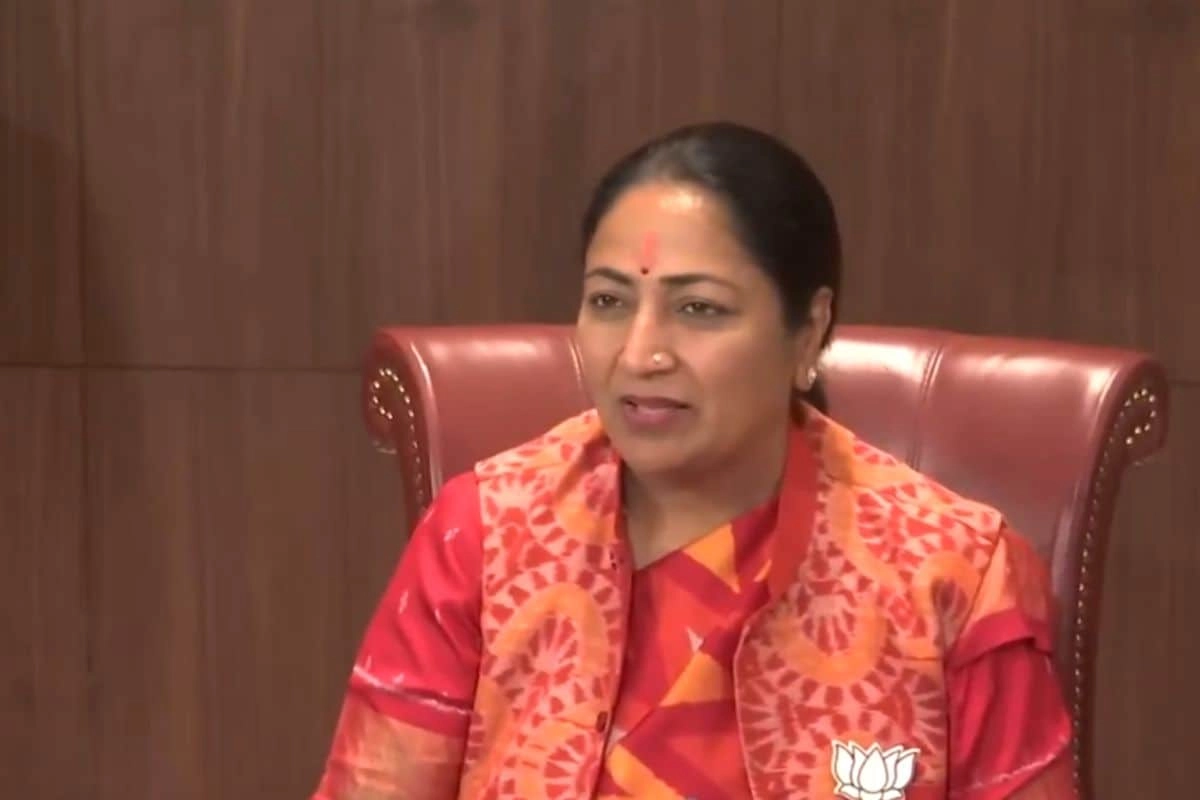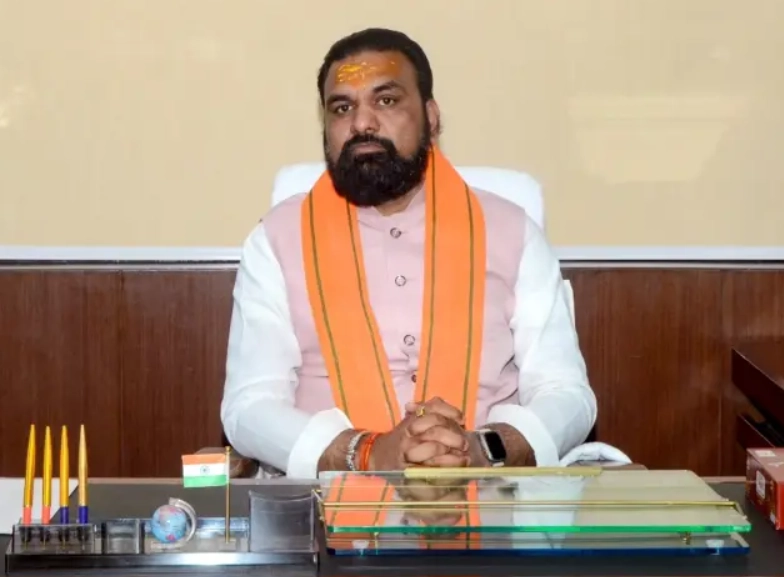
Bihar has recently undergone a significant political shift with the appointment of Samrat Chaudhary as the new Chief Minister. This change marks a pivotal moment in the state’s governance, as Chaudhary now holds the responsibility for overseeing an impressive array of 29 departments. His leadership is expected to bring about fresh perspectives and strategies aimed at addressing the various challenges faced by the state.
As Chief Minister, Chaudhary’s extensive portfolio encompasses a wide range of sectors, from education and health to infrastructure and agriculture. This diverse responsibility not only highlights the trust placed in him by the ruling party but also underscores the complexity of the issues he will need to tackle. Each department requires focused attention and innovative solutions to improve the lives of the citizens of Bihar, who have long awaited effective governance and development initiatives.
Chaudhary’s administration is anticipated to prioritize key areas such as employment generation, infrastructure development, and the enhancement of public services. With the weight of 29 departments on his shoulders, he will need to foster collaboration among various sectors and ensure that policies are not only formulated but effectively implemented. The upcoming challenges will test his leadership skills and ability to navigate the intricacies of state governance.
Moreover, this transition in leadership brings new hope for the people of Bihar, who are eager for positive change and progress. The success of Chaudhary’s tenure will largely depend on his capacity to engage with the public, address their concerns, and deliver on the promises made during his campaign. As the new Chief Minister, Samrat Chaudhary stands at a crucial juncture in Bihar’s political landscape, poised to influence the future trajectory of the state.