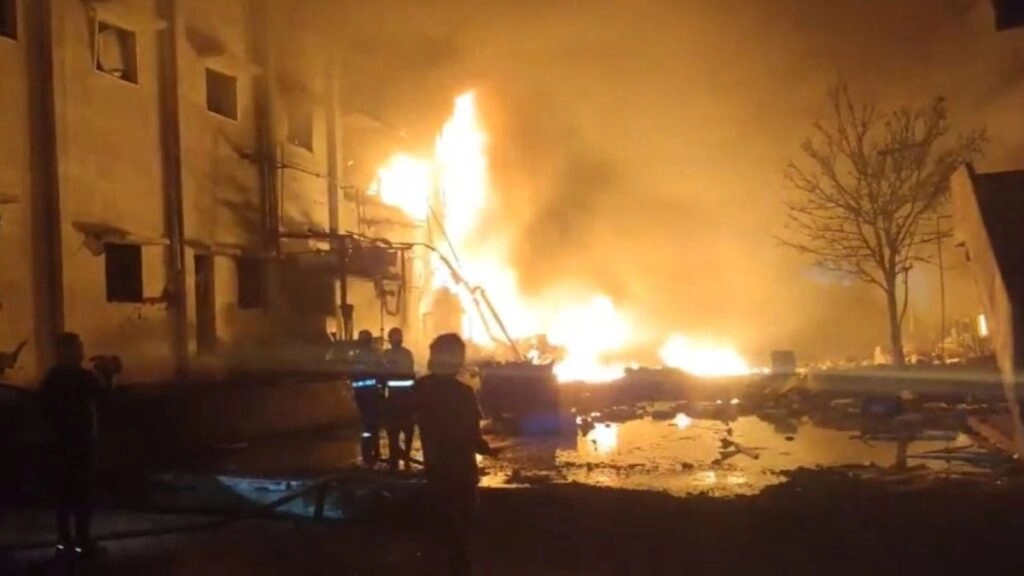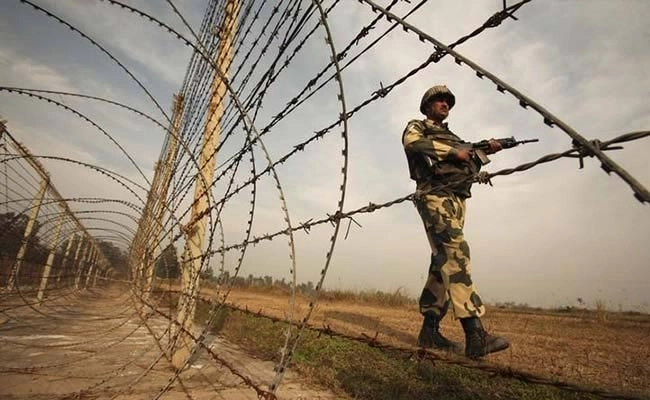
Recent tensions along the international border have escalated as reports indicate that Pakistan has been persistently violating the ceasefire agreement that was established to maintain peace between the two nations. This situation has led to renewed firing incidents, raising concerns about the potential for further conflict. The ceasefire, which has been a critical framework for reducing hostilities, appears to be unraveling due to these provocations. Local military sources have confirmed that multiple incidents of cross-border fire have taken place, with both sides exchanging artillery and small arms fire, putting civilian populations at risk and contributing to a climate of fear and uncertainty.
The implications of these violations extend beyond immediate military concerns; they threaten to destabilize the region and undermine diplomatic efforts aimed at fostering a more peaceful coexistence. Civilians living in border areas are particularly vulnerable, as repeated shelling disrupts daily life and can lead to casualties and displacement. Reports from local authorities indicate that families have begun to evacuate from high-risk zones, seeking safety in more secure areas. This displacement exacerbates the humanitarian situation, creating a pressing need for assistance and support for those affected by the violence.
International observers and regional powers are closely monitoring the situation, urging both parties to adhere to the ceasefire and engage in dialogue to resolve their differences. The ongoing violations have drawn condemnation from various quarters, highlighting the necessity for accountability and the importance of upholding international agreements. As tensions rise, calls for de-escalation and a return to negotiation become increasingly urgent. The prospect of renewed conflict remains a significant concern, and the international community plays a crucial role in facilitating dialogue and encouraging both sides to seek peaceful resolutions rather than resorting to military action.
In conclusion, the ongoing firing incidents at the international border underscore the fragility of peace in the region. The pattern of ceasefire violations by Pakistan not only threatens to reignite hostilities but also places immense pressure on civilian populations caught in the crossfire. As stakeholders strive to address these challenges, the need for a renewed commitment to dialogue and diplomacy has never been more critical. The future stability of the region depends on a collective effort to restore peace and prevent further escalation of conflict.