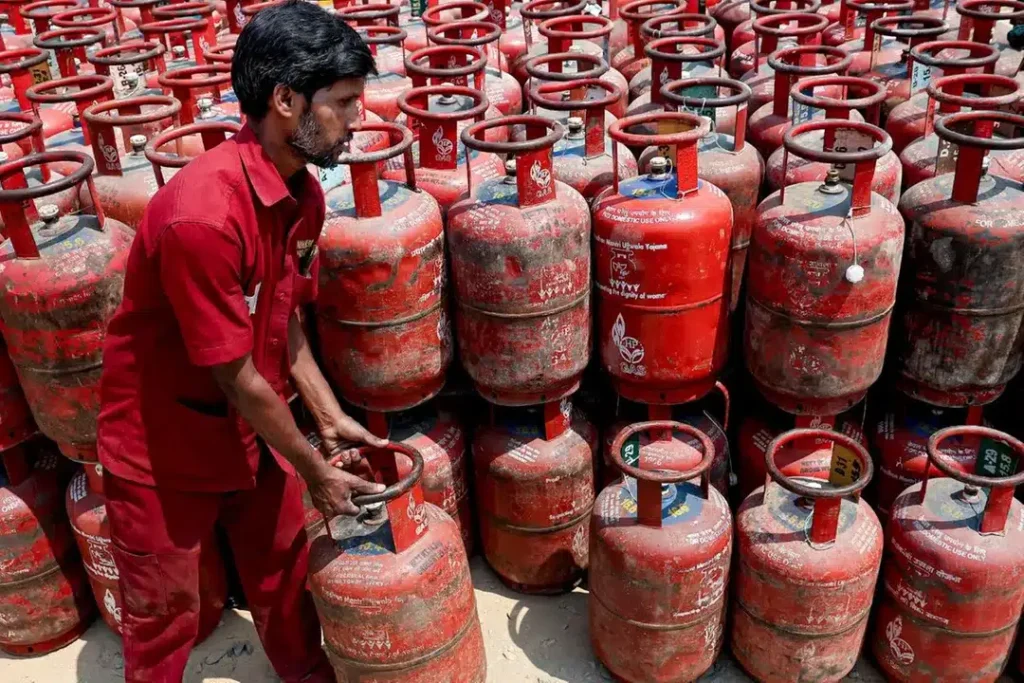
The government has taken significant steps to promote the digital booking of liquefied petroleum gas (LPG) cylinders, aiming to enhance both convenience and transparency for consumers. This initiative is part of a broader strategy to modernize the distribution of essential services and make them more accessible to the public. By encouraging the use of digital platforms for LPG bookings, the government hopes to streamline the process, reduce waiting times, and minimize the potential for corruption or malpractices that can occur in traditional booking methods.
Digital LPG booking allows customers to place orders for gas cylinders using mobile applications or online portals, making the process more user-friendly and efficient. Users can track their orders in real-time, receive notifications about the status of their bookings, and manage their deliveries without the hassle of phone calls or physical visits to distributors. This innovation not only saves time for consumers but also promotes a more organized system for suppliers, enabling them to manage their inventory and logistics more effectively.
Moreover, the shift to digital platforms aligns with the government’s broader push towards a cashless economy and digital literacy. By familiarizing citizens with online transactions, the initiative can help foster a culture of digital engagement, encouraging more individuals to adopt technology in their everyday lives. The transparency offered by digital systems can also enhance consumer trust, as users can easily access information about pricing, delivery schedules, and service quality, thus empowering them to make informed choices.
In conclusion, the promotion of digital LPG booking is a forward-thinking move that not only simplifies the process for consumers but also bolsters overall service efficiency. As the government continues to invest in digital infrastructure and literacy, it is anticipated that such initiatives will play a crucial role in transforming the way essential services are accessed and delivered across the country. This transition not only benefits consumers but also paves the way for a more transparent and accountable service delivery model in the long run.