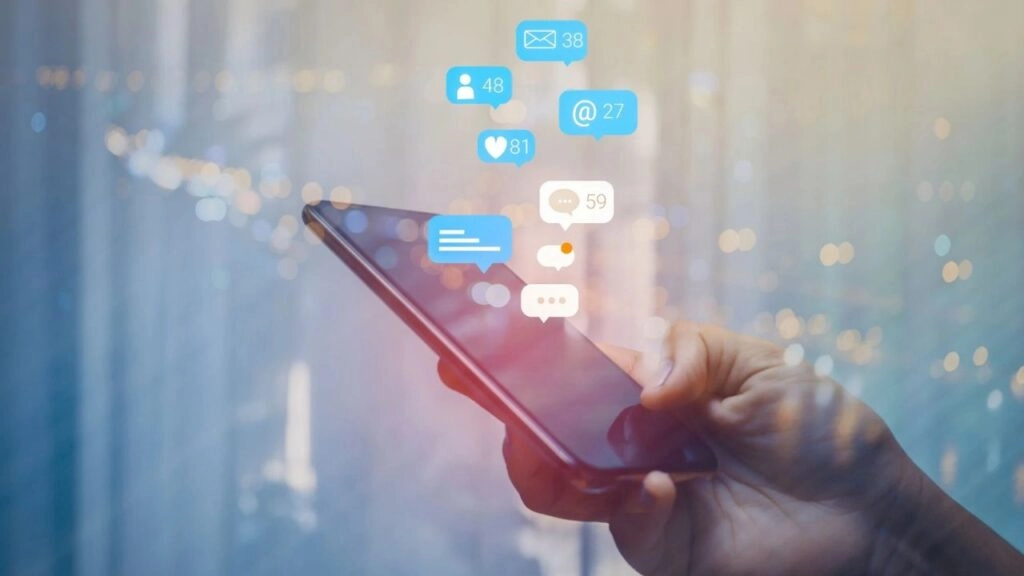
In today’s fast-paced world, the pervasive influence of screens has become a defining characteristic of modern life. The advent of smartphones, tablets, and laptops has revolutionized how we communicate, work, and entertain ourselves. However, this convenience comes at a cost, leading to what many describe as digital overload. The overwhelming amount of information available at our fingertips can create a sense of anxiety and distraction, making it increasingly difficult for individuals to engage meaningfully with the world around them. The very devices designed to connect us often leave us feeling more isolated, as we become consumed by the constant stream of notifications and updates.
The impact of excessive screen time is not limited to mental health; it also affects physical well-being. Prolonged exposure to screens can lead to various health issues, including eye strain, poor posture, and disrupted sleep patterns. The blue light emitted by screens interferes with our circadian rhythms, making it harder to fall asleep and maintain a restful night. As more people find themselves caught in this cycle of digital dependency, the need for a balanced approach to technology use becomes increasingly urgent. It is essential to cultivate healthy habits that promote digital mindfulness, allowing individuals to reclaim their time and focus on what truly matters.
Moreover, the societal implications of digital overload are profound. As individuals spend more time absorbed in screens, face-to-face interactions and genuine connections diminish. This shift can lead to a decline in social skills and emotional intelligence, as reliance on digital communication often lacks the nuances of in-person conversations. Communities may find themselves fragmented, with individuals feeling less inclined to engage with one another in meaningful ways. To counteract this trend, it is vital to foster environments that encourage real-life interactions and prioritize quality time spent away from screens.
In response to the challenges posed by digital overload, many are advocating for a more intentional approach to technology use. Digital detoxes, screen time limits, and mindfulness practices are gaining popularity as individuals seek to strike a balance between the benefits of technology and the need for personal well-being. By setting boundaries and prioritizing face-to-face interactions, people can create healthier relationships with their devices. Ultimately, navigating the age of digital overload requires a conscious effort to redefine our relationship with technology, ensuring that it enhances rather than detracts from our lives.