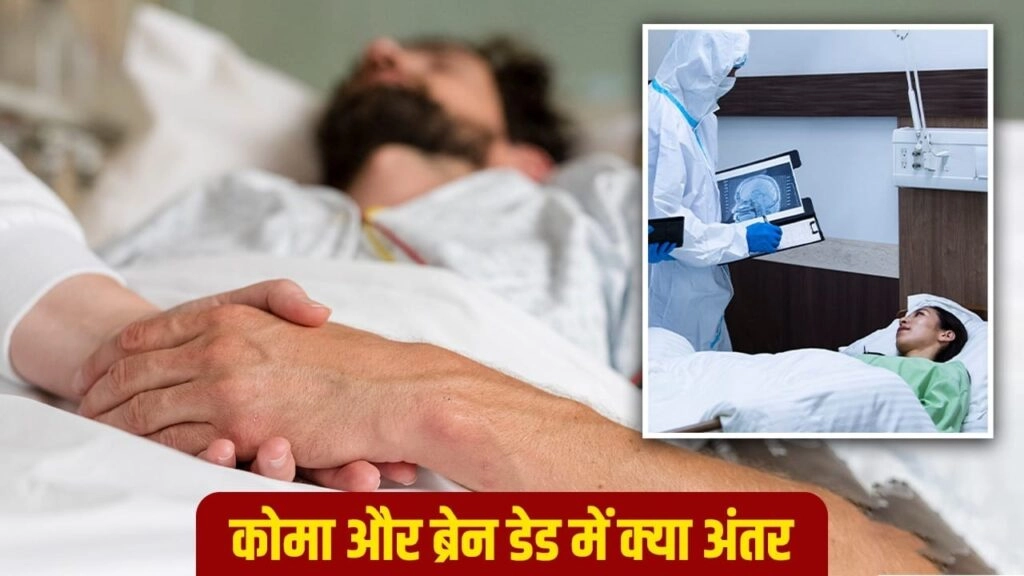
The debate surrounding coma versus brain death has gained significant attention following the case of Harish Rana, a young man who was declared brain dead after a severe accident. This incident has raised crucial questions about the definitions of life and death, particularly regarding the ethical and legal implications of removing life support. In medical terms, a coma is a state of prolonged unconsciousness where a person may still have some brain activity, while brain death is defined as the complete and irreversible loss of all brain function. Understanding the distinctions between these conditions is essential for both medical professionals and families facing difficult decisions about the care of loved ones.
In the wake of Harish Rana’s case, the discussion has intensified around when it is legally permissible to remove a ventilator and when such an act might be considered murder. The legal definition of death varies by jurisdiction, but generally, brain death is recognized as the legal death of an individual. However, the gray area arises in cases where patients are in a coma or a vegetative state, as some might argue that they still possess a semblance of life. This leads to ethical dilemmas for families and healthcare providers, who must navigate the emotional challenges while adhering to medical guidelines and laws.
The case has also highlighted the need for clearer communication between medical professionals and families. Often, families may not fully understand the implications of a brain death diagnosis or the prognosis of a patient in a coma. This lack of clarity can lead to prolonged suffering and difficult decisions regarding end-of-life care. It is crucial for healthcare providers to offer compassionate guidance and ensure that families are well-informed about their loved ones’ conditions, as well as the legal ramifications of their choices.
As the conversation continues, it is imperative to consider the ethical dimensions of these decisions. The distinction between allowing a patient to die and actively causing death through the removal of life support is a sensitive topic that requires careful consideration. The Harish Rana case serves as a poignant reminder of the complexities involved in defining life and death in the modern medical landscape, urging society to reflect on how we approach such profound questions. Ultimately, the goal should be to respect the dignity of individuals while providing clear, compassionate support to families during the most challenging times.