A significant legal development has emerged in West Bengal regarding the re-verification of caste certificates. The Communist Party of India (Marxist-Leninist), or CPI(ML), has taken a stand against the state government’s recent decision to conduct a re-verification process for caste certificates issued to individuals belonging to Scheduled Castes (SC) and Scheduled Tribes (ST). This move has sparked concerns among various communities who fear that such a re-verification could undermine their rights and entitlements, potentially leading to a dilution of their status and benefits.
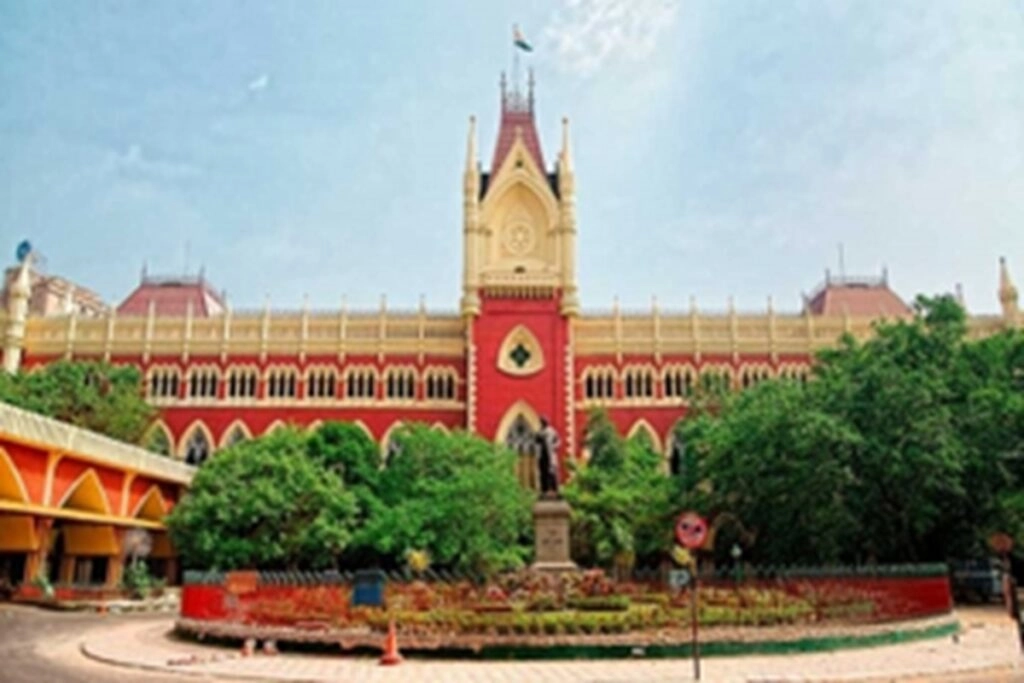
In response to these concerns, the CPI(ML) has filed a Public Interest Litigation (PIL) in the High Court, challenging the legality and rationale behind the state’s decision. The party argues that the re-verification process is not only unnecessary but also discriminatory in nature, targeting specific groups that may already face socio-economic challenges. The legal challenge aims to bring attention to the implications of this policy, asserting that it could exacerbate existing inequalities and hinder the progress of marginalized communities.
The PIL raises important questions about the process of caste verification and the criteria that the state intends to use. Activists and legal experts are closely monitoring the situation, as the outcome of this case could set a precedent for how caste-related issues are handled in the future. Many advocates for social justice are rallying in support of the CPI(ML), emphasizing the importance of protecting the rights of SC and ST individuals, who have historically been marginalized in Indian society.
As the High Court prepares to hear the case, the implications of the re-verification process and the legal arguments presented in the PIL will be pivotal in shaping the discourse around caste identity and rights in West Bengal. The ongoing situation highlights the delicate balance between administrative procedures and the protection of fundamental rights, as well as the need for sensitivity towards the historical context of caste in the region. The outcome could have far-reaching effects, not only for the individuals directly impacted but also for broader discussions on social justice and equality in India.