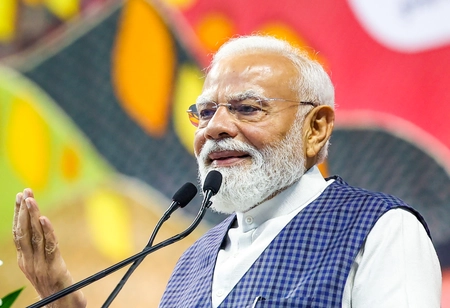
Prime Minister Narendra Modi’s choice of Tarakeshwar in West Bengal for launching various schemes is both strategic and symbolic. Tarakeshwar is not only a significant religious site, known for its famous Shiva temple, but it also holds cultural and historical importance for the local population. By selecting this location, PM Modi aims to connect with the people on a deeper level, leveraging the emotional and spiritual resonance that the site possesses.
The decision to launch initiatives in Tarakeshwar can also be viewed as an effort to strengthen the BJP’s foothold in West Bengal, a state that has traditionally been a stronghold of other political parties. The Prime Minister’s visit underscores the government’s commitment to addressing the needs and aspirations of the people in this region. It reflects an understanding of local dynamics and the importance of engaging with communities through meaningful initiatives that can improve their lives.
Moreover, the schemes being launched are likely to focus on key areas such as infrastructure, healthcare, and education, which are vital for the development of the state. By choosing a location that holds significance for many, PM Modi not only garners attention but also fosters a sense of inclusion and hope among the residents. This approach is indicative of a broader strategy to build rapport with the electorate, emphasizing that the central government is attentive to their needs and is working towards their welfare.
In conclusion, PM Modi’s decision to launch government schemes in Tarakeshwar is a calculated move that combines religious significance with political strategy. It illustrates the government’s intent to engage with the populace effectively, promote development, and strengthen its position in West Bengal. This initiative could pave the way for future interactions and bolster the BJP’s efforts in a state where it seeks to expand its influence.