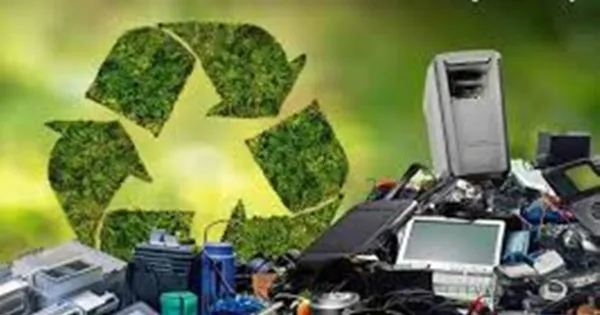
The growing concern over electronic waste, commonly referred to as e-waste, has prompted significant advancements in recent years aimed at addressing this pressing issue. E-waste encompasses discarded electronic devices such as smartphones, computers, televisions, and other gadgets that often contain hazardous materials. As technology continues to evolve rapidly, the volume of e-waste generated worldwide is escalating, posing serious environmental and health risks. However, recent achievements in recycling technologies and sustainable practices are paving the way for more effective solutions to mitigate these challenges.
One notable achievement in the e-waste management sector is the development of innovative recycling techniques that allow for the efficient extraction of valuable materials from discarded electronics. These techniques not only help in reclaiming precious metals like gold, silver, and copper but also reduce the environmental impact associated with mining new resources. Advanced methods such as hydrometallurgy and biorecycling are being employed to enhance recovery rates while minimizing the release of toxic substances into the environment. Furthermore, several companies are now focusing on designing products with a longer lifespan and easier disassembly, which facilitates recycling and reduces waste.
In addition to technological advancements, there has been a growing emphasis on regulatory frameworks and international cooperation to address the e-waste crisis. Governments around the world are increasingly implementing stricter policies aimed at managing e-waste more effectively. Initiatives such as extended producer responsibility (EPR) require manufacturers to take responsibility for the entire lifecycle of their products, including end-of-life disposal. This shift in responsibility encourages companies to invest in sustainable product design and recycling programs, ultimately contributing to a circular economy.
Public awareness and education campaigns have also played a crucial role in tackling e-waste. By informing consumers about the environmental impacts of improper disposal and the importance of recycling, these initiatives aim to encourage responsible behaviors. Community e-waste collection events and programs promoting the donation and refurbishment of electronic devices help divert waste from landfills and promote a culture of sustainability. As individuals become more conscious of their consumption patterns and the lifecycle of their electronics, they can contribute to the larger effort of reducing e-waste.
In conclusion, while the challenges posed by e-waste are significant, recent advancements in recycling technologies, regulatory frameworks, and public awareness efforts represent a substantial step toward finding effective solutions. By continuing to innovate and collaborate across sectors, we can work toward a more sustainable future that not only addresses the e-waste crisis but also preserves our environment for generations to come.