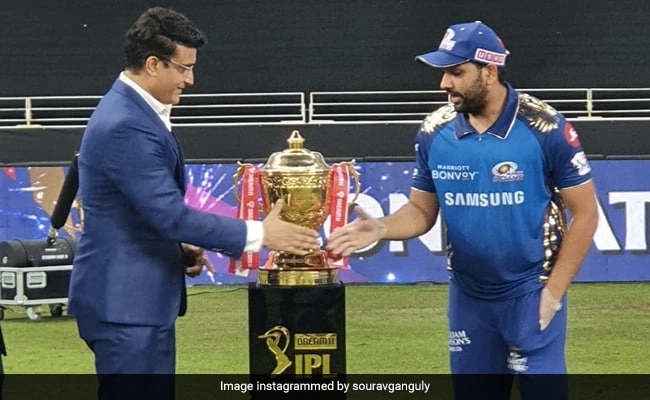
The recent announcement of Rohit Sharma’s sudden retirement from Test cricket has sent shockwaves throughout the cricketing community. As one of India’s premier batsmen and a pivotal figure in the team, Sharma’s decision has raised questions about the future of the Indian Test squad. In response to this unexpected turn of events, Sourav Ganguly, former Indian captain and current president of the Board of Control for Cricket in India (BCCI), has expressed his views on the matter. Ganguly emphasized the role of the BCCI in navigating these transitions, highlighting that the board’s primary responsibility is to support players in their decisions and ensure the smooth functioning of Indian cricket.
Ganguly’s statement underlines the importance of player welfare and mental well-being in the sport. He remarked that the BCCI exists to create an environment conducive to both personal and professional growth for athletes. In light of Sharma’s retirement, Ganguly reassured fans and stakeholders that the board is prepared to facilitate this change and assist in the integration of new talent into the Test squad. He emphasized that while the departure of a player of Sharma’s caliber is significant, it also opens the door for emerging cricketers to step up and showcase their abilities on the international stage.
The cricketing landscape is constantly evolving, and transitions like these are part and parcel of the game. Ganguly’s comments reflect a broader understanding of the dynamics of sports, where the focus is not only on the present but also on nurturing the future. By providing support to players, the BCCI aims to foster resilience and adaptability, ensuring that the Indian team remains competitive on the world stage. As the cricketing fraternity grapples with the implications of Sharma’s retirement, it is imperative to recognize the importance of leadership and strategic planning within the BCCI.
In conclusion, Rohit Sharma’s sudden exit from Test cricket marks the end of an era, but it also reminds us of the cyclical nature of sports. Sourav Ganguly’s insights reinforce the idea that the BCCI’s role extends beyond mere administration; it involves cultivating an environment where players feel supported in their decisions. As the Indian cricket team prepares to move forward without Sharma, it will be crucial for the board to remain proactive in identifying and nurturing new talent, ensuring that the legacy of excellence in Indian cricket continues.