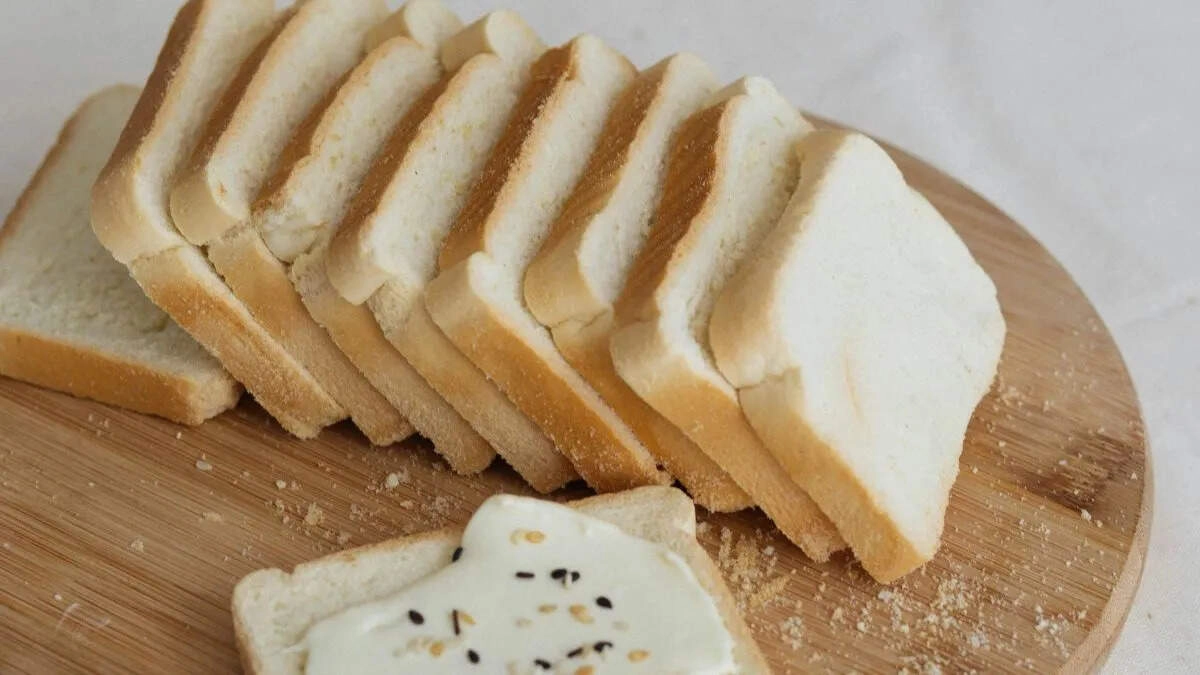
In recent discussions, a curious topic has gained traction: why are the end slices of bread often set apart from the rest? This question has sparked a viral conversation, prompting many to reflect on their own experiences with bread. The end slices, commonly referred to as “heel” slices, are typically left uneaten or used differently than the more central slices.
The reason for this distinction can be traced back to both practical and cultural factors. From a practical standpoint, the heel slices serve a functional purpose in preserving the freshness of the bread. When bread is packaged, the end slices help to protect the inner slices from exposure to air, which can lead to staleness. This means that the heel slices are essential for maintaining the overall quality of the loaf.
Culturally, people often have varied preferences when it comes to bread; some enjoy the crustiness of the heel slices, while others may find them less appealing. This has led to a common practice where the end slices are either discarded or repurposed into different dishes, such as breadcrumbs or croutons. Additionally, many families have their own traditions regarding bread consumption, which can influence whether these slices are appreciated or overlooked.
Ultimately, the discussion surrounding the end slices of bread highlights broader themes of food preferences and cultural practices. It serves as a reminder of how even the smallest aspects of our meals can evoke strong opinions and foster conversations, connecting us through our shared culinary experiences.