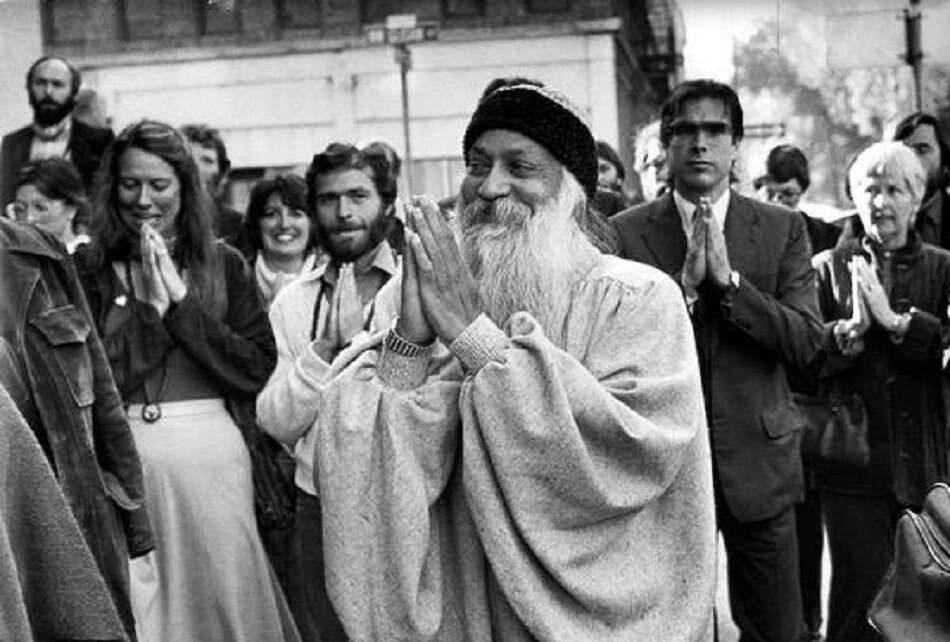
Osho, the renowned spiritual guru, established his own commune in the United States during the 1980s, which he named Rajneeshpuram. This venture was not just a spiritual retreat but a fully functioning city in the Oregon desert, complete with its own infrastructure, including schools, farms, and even a police force. The commune attracted thousands of followers from around the world, drawn by Osho’s teachings centered on meditation, love, and self-awareness. However, his charismatic leadership and unconventional practices soon raised eyebrows, leading to tensions with the local community and the U.S. government.
The American government began to perceive Osho and his commune as a potential threat. The sheer number of followers, coupled with Osho’s radical ideas about free love, personal freedom, and anti-establishment sentiments, alarmed authorities. The commune’s rapid growth and the way it operated outside the conventional norms of society caused concern among local residents and law enforcement. Accusations of criminal activities, including immigration violations and even bioterrorism, began to surface, further complicating Osho’s relationship with the authorities.
The situation escalated when the commune became involved in a series of legal battles, culminating in a dramatic series of events that included a mass poisoning incident in a nearby town, which was allegedly orchestrated by some members of the commune. This incident not only tarnished Osho’s reputation but also led to an investigation by the FBI. Osho was ultimately arrested and deported, marking a significant turning point in the history of his commune. Despite the controversies, Osho’s teachings continue to resonate with many, establishing him as a complex figure whose life reflects the tensions between spirituality and societal norms. The story of Osho is a fascinating exploration of how a spiritual leader can be perceived as a threat in a deeply conventional society.