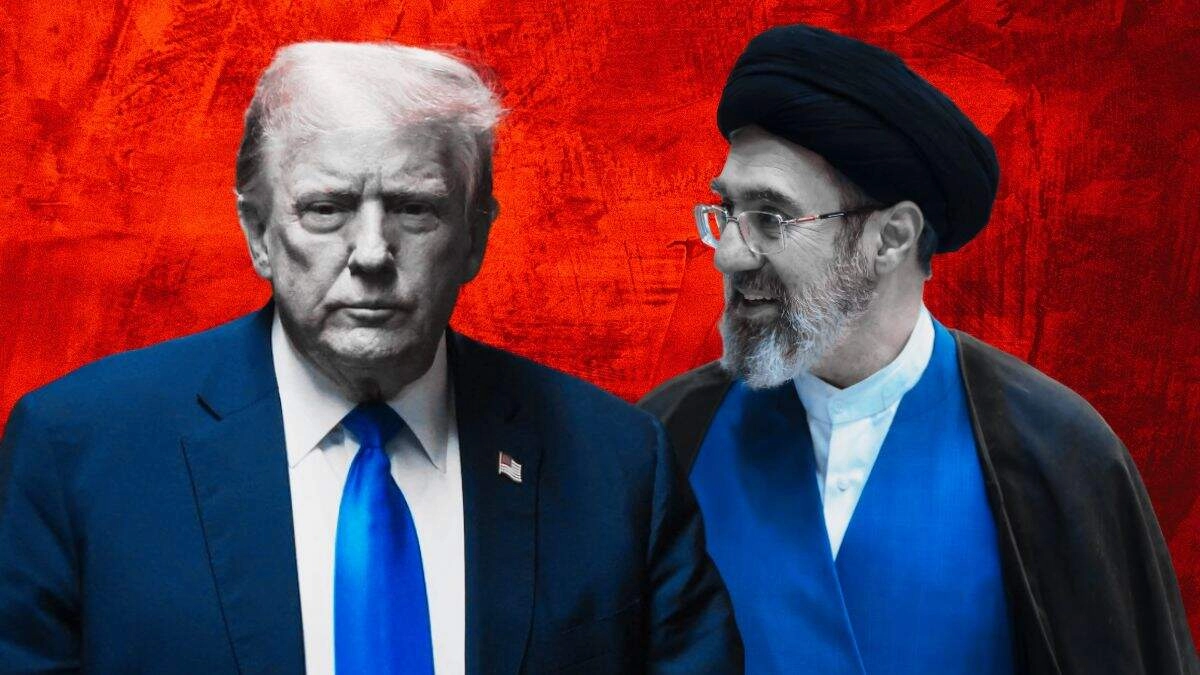
The second round of negotiations between the United States and Iran has sparked significant interest, as both parties have expressed a willingness to engage in dialogue. Despite this apparent consensus, the path to an agreement remains fraught with obstacles. Understanding these complexities is crucial for grasping the current dynamics of international relations in the region.
Firstly, one of the primary issues at play is the differing expectations of both sides. The U.S. is seeking to ensure that Iran complies with its commitments regarding nuclear activities while also addressing concerns about Iran’s regional influence and support for militant groups. On the other hand, Iran is pushing for the lifting of sanctions that have severely impacted its economy, insisting that such measures must be lifted before it can consider further concessions. This fundamental divergence creates a challenging environment for negotiations.
Moreover, domestic politics in both countries further complicate the situation. In the U.S., there are factions that are skeptical of engaging with Iran, fearing that concessions might embolden the regime. Conversely, in Iran, hardline elements resist any form of negotiation with the West, viewing it as a betrayal of national interests. These internal pressures can hinder progress and fuel mistrust during discussions.
Another critical factor is the geopolitical landscape in the Middle East. The ongoing tensions between Iran and its regional rivals, particularly Israel and Saudi Arabia, add another layer of complexity to the negotiations. The U.S. must navigate these relationships carefully, as any agreement with Iran could provoke backlash from its allies in the region.
In conclusion, while the willingness for dialogue between the U.S. and Iran marks a potentially positive development, the road to a successful deal is riddled with challenges. The interplay of differing expectations, domestic political pressures, and regional dynamics must be carefully managed to foster a conducive environment for meaningful negotiations. As the situation evolves, the international community watches closely, hopeful for a resolution that could reshape the landscape of Middle Eastern politics.