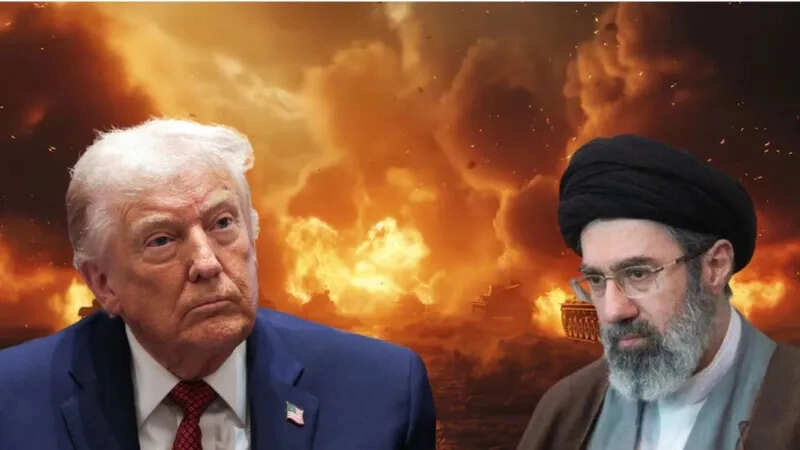
The conflict between the United States and Iran has escalated significantly, raising concerns across the globe. Recently, Iran rejected a 14-point proposal aimed at easing tensions and facilitating dialogue between the two nations. This rejection has not only heightened fears of a potential military confrontation but has also led to a reevaluation of diplomatic strategies by various countries involved in the region.
The proposal was designed to address key issues, including nuclear weapons development, regional security, and economic sanctions. However, Iran’s dismissal of these terms indicates a steadfast position on its national interests and its unwillingness to compromise. Such a stance could further complicate the already fragile relations between Tehran and Washington, threatening to destabilize not only the Middle East but also impacting global markets and international alliances.
The international community is now on high alert, as the ramifications of this rejection could be far-reaching. Countries that have invested in diplomatic solutions or that rely on stability in the region are particularly concerned about the potential for military escalation. The situation calls for renewed efforts in diplomacy, as stakeholders assess how best to engage with Iran while also addressing the security concerns that have prompted U.S. actions in the first place. As tensions rise, the world watches closely, hoping for a resolution that avoids conflict and fosters a return to dialogue.