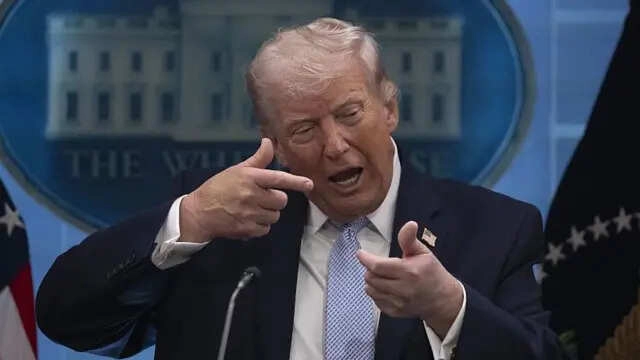
Donald Trump was poised to take decisive military action against Iran, leading to significant tensions in the Middle East. Reports indicate that a planned attack which could have escalated into a larger conflict was unexpectedly averted at the last moment. Several countries intervened, urging restraint and dialogue instead of military confrontation. This intervention highlights the intricate web of international relations and the consequences of military actions that could destabilize the region further.
The decision to stay the course and avoid military engagement was influenced by various factors, including diplomatic negotiations and the potential fallout from such an attack. The countries involved, recognizing the delicate balance of power in the region, likely considered the broader implications of a military strike, not only for Iran but also for their own national interests. The prospect of a protracted conflict, which could draw in other nations and lead to widespread instability, was a significant concern.
Moreover, the situation underscores the importance of diplomacy in resolving international disputes. The potential for military actions to spiral out of control necessitates a cautious approach, one that prioritizes dialogue over aggression. This incident serves as a reminder of the complexities of global politics, where the decisions of a few can have far-reaching consequences for many. The intervention by these nations may have prevented a significant escalation, allowing for continued discussions on Iran’s nuclear program and its role in regional conflicts.