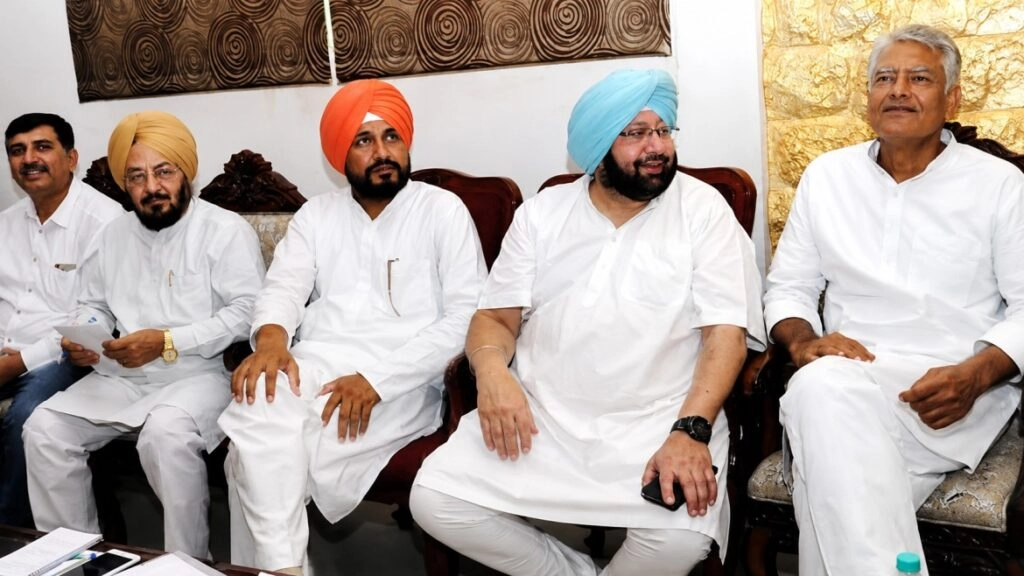
The political landscape of Punjab has witnessed a recurring theme of rebellion within the Congress party across several years, notably in 2017, 2022, and now in 2027. Each of these years has brought its own set of challenges and dynamics, yet the underlying narrative remains strikingly similar. The discontent and dissent among party members have been palpable, often leading to leadership crises and factional battles that have hindered the party’s unity and effectiveness in the region.
In 2017, the Congress party managed to reclaim power after a decade of rule by the Shiromani Akali Dal and the Bharatiya Janata Party alliance. However, the victory was marred by internal strife as various factions within the party began to clash over leadership roles and policy directions. This infighting not only complicated governance but also alienated some supporters who were disillusioned by the party’s failure to present a cohesive front.
By 2022, the situation had evolved but not improved. The party faced fresh challenges, including the rise of new political players and shifting voter sentiments. Internal dissent persisted, with prominent leaders and members openly criticizing the party’s decisions and strategies. The Punjab Congress struggled to maintain its relevance amid these challenges, as the voices of rebellion grew louder, calling for a change in leadership and direction to better align with the aspirations of the electorate.
Now, in 2027, the cycle appears to be repeating itself. The Congress party in Punjab is once again grappling with dissent and rebellion from within its ranks. As the party approaches another electoral battle, it finds itself at a crossroads—caught between the need for strong leadership and the desire for reform. The ongoing internal conflicts threaten to undermine its position, making it imperative for party leaders to address the grievances of their members and supporters to foster unity and rebuild trust.
Ultimately, the story of rebellion within the Punjab Congress is not just about political strife; it reflects deeper issues of leadership, accountability, and the challenges of adapting to a rapidly changing political environment. As the years progress, it remains to be seen whether the party can learn from its past mistakes and forge a path that resonates with the people of Punjab, or if it will continue to be mired in internal conflict that detracts from its ability to serve effectively.