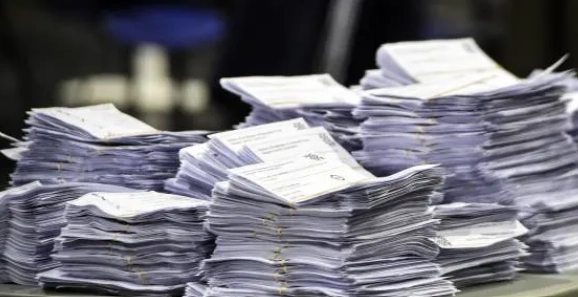
The use of paper ballots in elections has been a topic of significant discussion, especially concerning their potential impact on the integrity of the voting process. Some critics argue that relying on physical ballots can simplify the process of manipulating or “looting” votes. This perspective raises concerns about the security and reliability of voting systems, particularly in regions where electoral fraud has been a persistent issue. The argument suggests that paper ballots might create opportunities for individuals or groups to tamper with votes more easily, either by altering ballots or by engaging in other forms of electoral misconduct.
On the other hand, proponents of paper ballots argue that they can enhance transparency and provide a tangible record of votes cast, which can be audited and verified. Unlike electronic voting systems, which can be susceptible to hacking and technical malfunctions, paper ballots offer a physical trail that can be examined in the event of disputes. This could potentially deter fraud, as any irregularities can be tracked and investigated more thoroughly. The debate thus hinges on the balance between accessibility and security: while paper ballots may present certain vulnerabilities, their physical nature can also serve as a safeguard against some forms of election tampering.
Ultimately, the conversation around paper ballots and their role in the electoral process reflects broader concerns about democratic integrity. To ensure fair elections, various safeguards must be implemented regardless of the voting method used. This may include robust security measures, comprehensive voter education, and transparent auditing processes. As societies continue to evolve and adapt their electoral systems, it is crucial to consider both the advantages and disadvantages of paper ballots, striving for a voting process that upholds the principles of democracy while minimizing the risk of fraud.