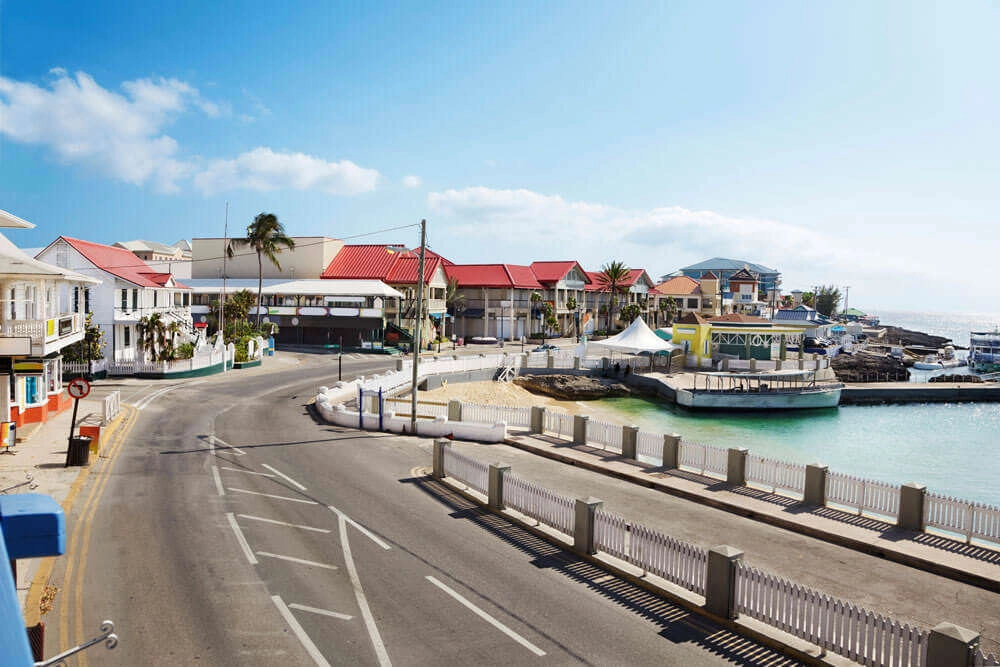
In a peculiar corner of the world, there exists a place where people lead a royal lifestyle without paying taxes. This unusual phenomenon raises questions about governance, social structure, and the legacy of colonialism. The system in place resembles that of the British regime, where certain privileges and structures have persisted long after the formal end of colonial rule.
The residents of this area enjoy a level of comfort and luxury that seems almost anachronistic in today’s fast-paced, economically driven society. They navigate their lives without the usual financial burdens that come with taxation, leading to a disparity that is hard to comprehend. This situation not only highlights the differences in governance but also emphasizes the varying degrees of wealth distribution among different communities.
The persistence of such a system can be attributed to historical factors, where colonial powers established structures that have not been dismantled even after independence. The remnants of this governance model continue to shape the lives of the inhabitants, allowing them to live in a manner reminiscent of the past. It raises intriguing questions about the evolution of societies and the extent to which historical systems can influence contemporary life.
In essence, this strange place serves as a fascinating case study of how colonial legacies can endure, affecting the socio-economic dynamics of communities. It prompts a reevaluation of what it means to thrive in a modern world, where traditional systems and modern governance often collide, leading to unique lifestyles that defy conventional understanding.