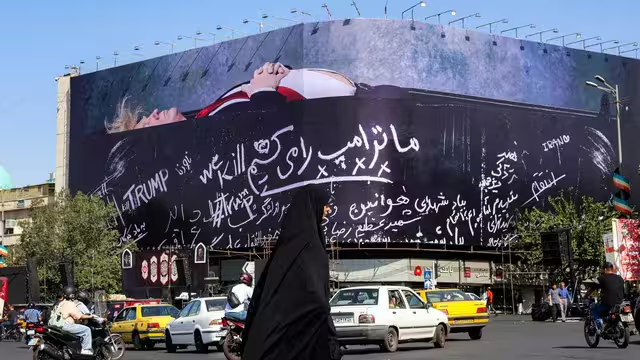
In Iran, a provocative billboard featuring an image of a coffin with the words “We will kill Trump” has sparked significant outrage and alarm. This controversial display has raised tensions both domestically and internationally, as it openly threatens the former U.S. President. The billboard serves as a stark reminder of the strained relations between Iran and the United States, which have been characterized by hostility and mutual distrust for decades. The bold declaration on the billboard not only reflects the sentiments of some factions within Iran but also highlights the ongoing animosity that persists in the political landscape.
The emergence of such provocative imagery is particularly alarming in the context of recent geopolitical developments. It comes at a time when discussions around nuclear agreements and regional stability are fragile. The billboard is not just a random expression of anger; it represents deeper grievances that many Iranians feel towards U.S. policies, especially those implemented during Trump’s presidency. The tensions have been exacerbated by actions such as the withdrawal from the nuclear deal and the imposition of strict sanctions, which have had a profound impact on Iran’s economy and its standing in the international community.
Additionally, this incident raises questions about freedom of expression in Iran, where government-sponsored messages often reflect the regime’s ideological stance. While some may view the billboard as a legitimate form of political dissent, others see it as incitement to violence that could have dangerous repercussions. The imagery of a coffin is particularly striking, symbolizing not only a threat but also the potential for escalating confrontations. As the situation unfolds, it is crucial for both Iranian leaders and international observers to navigate these tensions carefully to avoid further escalation and to seek pathways toward dialogue and understanding.