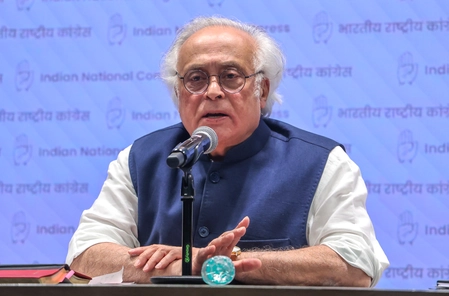
Jairam Ramesh has pointed out that the government is still significantly lagging behind the two-thirds majority mark required in Parliament. This assertion highlights a critical aspect of the current political landscape, suggesting that the ruling party may be facing challenges in consolidating its power and influence within the legislative body. The two-thirds majority is often seen as a strong mandate that allows the government to pass crucial reforms and policies without significant opposition.
Ramesh’s comments indicate a concern that the government’s inability to achieve this threshold could hinder its legislative agenda and limit its effectiveness in addressing pressing issues. It reflects a broader sentiment that stability in governance is paramount for the successful implementation of policies that can drive national progress. The lack of a two-thirds majority often leads to compromises and negotiations, which can slow down the decision-making process and create uncertainties.
Moreover, the political dynamics in Parliament are critical for the health of democracy. A government that does not command a significant majority may find itself vulnerable to challenges from opposition parties, which can capitalize on any perceived weaknesses or failures. This situation emphasizes the importance of coalition-building and strategic alliances in the current political environment. Ramesh’s remarks serve as a reminder of the complexities involved in governance and the necessity for a united front to tackle the myriad challenges facing the nation.