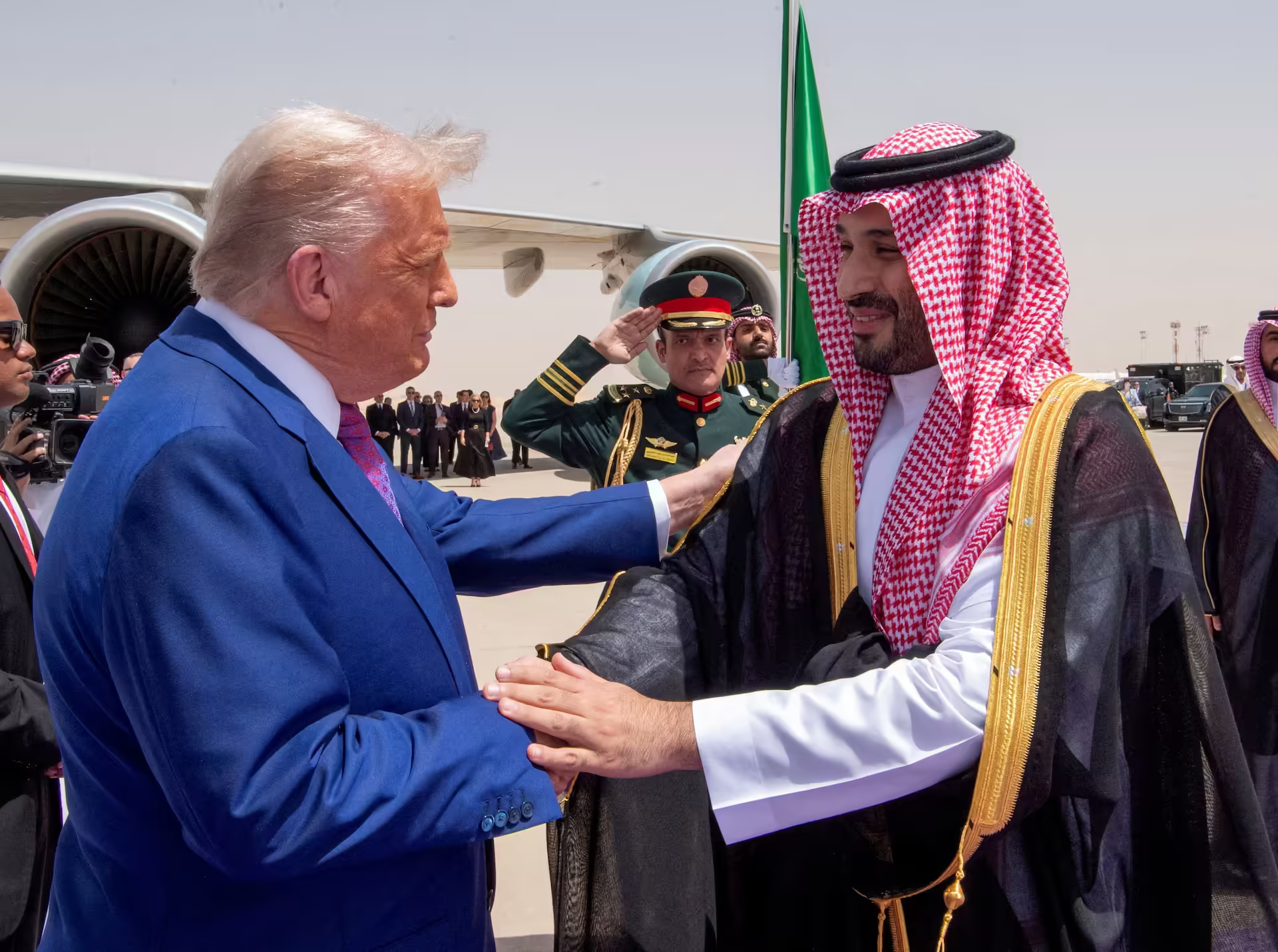
Amidst the ongoing conflict in Iran, several Gulf nations, including Saudi Arabia, the United Arab Emirates (UAE), Qatar, and Kuwait, are reportedly contemplating the withdrawal of significant contracts with the United States. This development comes as tensions in the region escalate, prompting these countries to reassess their geopolitical alliances and military partnerships. The potential decision to retract contracts could have far-reaching implications not only for U.S. foreign policy in the Middle East but also for the economic interests of these Gulf states.
The discussions surrounding the withdrawal of contracts are likely driven by a mixture of regional security concerns and the desire for greater autonomy in defense matters. The Gulf nations have been closely monitoring the evolving situation in Iran, which has shown increasing assertiveness in its regional ambitions. As a result, these countries may be seeking to diversify their defense partnerships or to strengthen their own military capabilities, reducing reliance on U.S. military support.
Moreover, the Gulf states might be motivated by a desire to foster closer ties with other global powers, such as Russia or China, in a bid to create a more balanced international relationship. This shift could signify a broader trend of realignment in the region, where traditional alliances are being tested amid new geopolitical realities. The potential withdrawal from U.S. contracts could signal a significant pivot in how these nations approach their security and foreign policy strategies, impacting the broader dynamics of power in the Middle East.
As these discussions unfold, it remains to be seen how the U.S. will respond to these developments. The outcome may influence America’s strategic positioning in the region, as well as its relationships with other allies. The implications of such a shift will not only affect military and defense contracts but may also extend to economic collaborations, trade agreements, and diplomatic engagements in the Gulf region. Thus, the considerations of Saudi Arabia, the UAE, Qatar, and Kuwait could herald a new chapter in Middle Eastern politics, with potential repercussions that resonate well beyond their borders.