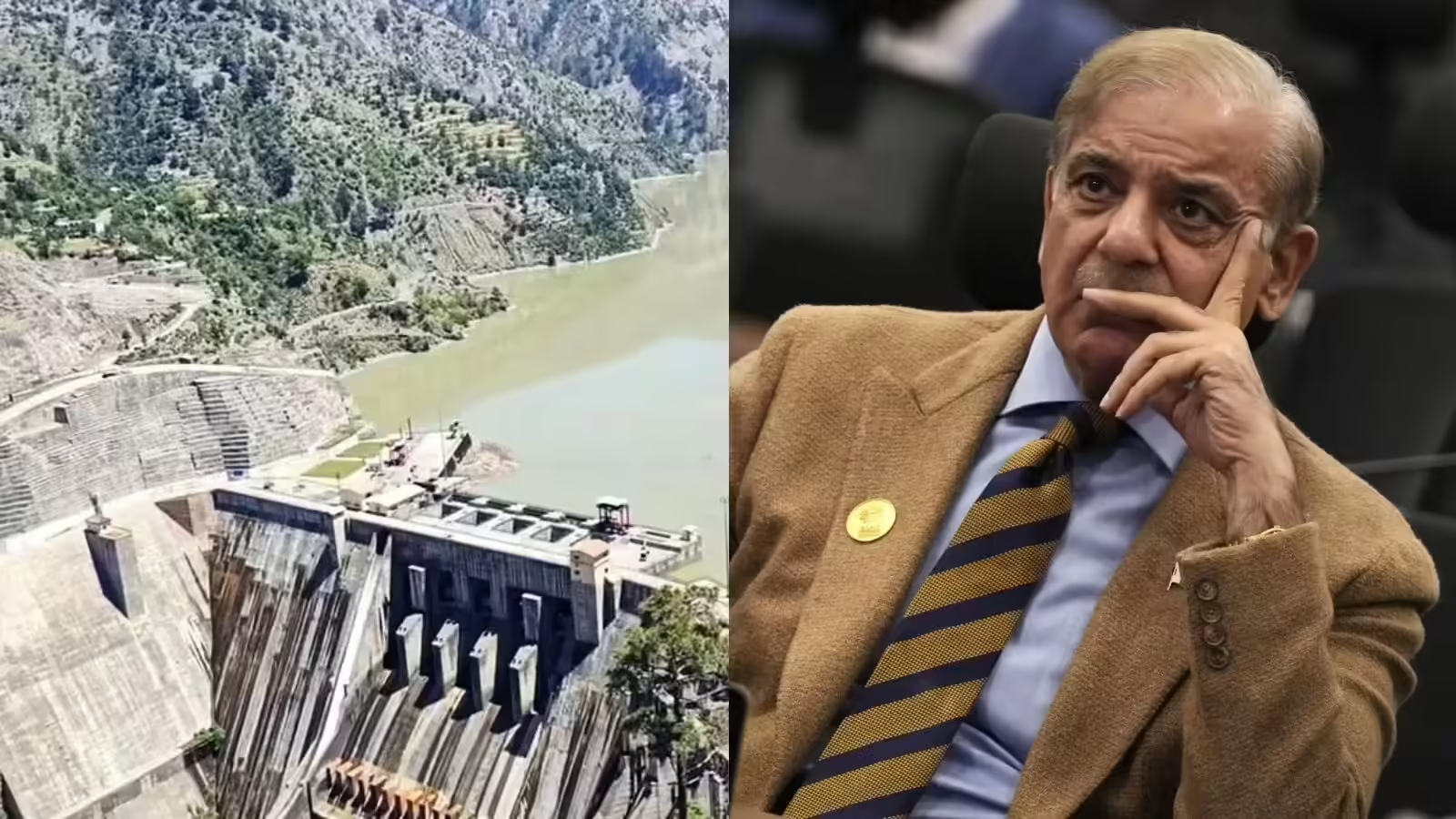
A recent statement by a Pakistani leader, suggesting that a nuclear war could erupt over the Indus Water Treaty, has ignited a significant debate among the public and political commentators. The remark has been met with skepticism and ridicule, with many questioning whether such leaders are serious politicians or merely comedians. The Indus Water Treaty, established in 1960, is a critical agreement between India and Pakistan that governs the use of water from the Indus River and its tributaries. Given the contentious history between the two nations, any mention of war over water resources tends to escalate tensions and provoke strong reactions.
Critics of the leader’s statement argue that invoking the possibility of nuclear conflict over a treaty designed to promote cooperation and manage shared resources is not only irresponsible but also reflects a lack of understanding of the complexities of international diplomacy. In an age where global challenges require collaboration and dialogue, such incendiary comments may further polarize the already strained relations between India and Pakistan. Social media has been rife with memes and comments mocking the leader’s assertion, with many users expressing disbelief and frustration at the rhetoric employed by those in power.
The discourse surrounding the leader’s comments raises important questions about the role of political leaders in shaping public perception and diplomatic relations. In a region where water scarcity is becoming an increasingly pressing issue due to climate change and population growth, it is vital for leaders to engage in constructive dialogue rather than resorting to threats of violence. The public’s reaction also reflects a broader desire for accountability and seriousness in leadership, particularly in matters that have profound implications for peace and security in South Asia.
In summary, the debate sparked by the Pakistani leader’s comments serves as a reminder of the delicate balance between regional cooperation and the potential for conflict. As water resources become increasingly scarce, it is imperative for leaders to prioritize diplomacy and dialogue over divisive rhetoric. The laughter and skepticism from the public indicate a growing demand for responsible leadership that focuses on sustainable solutions rather than fearmongering.