
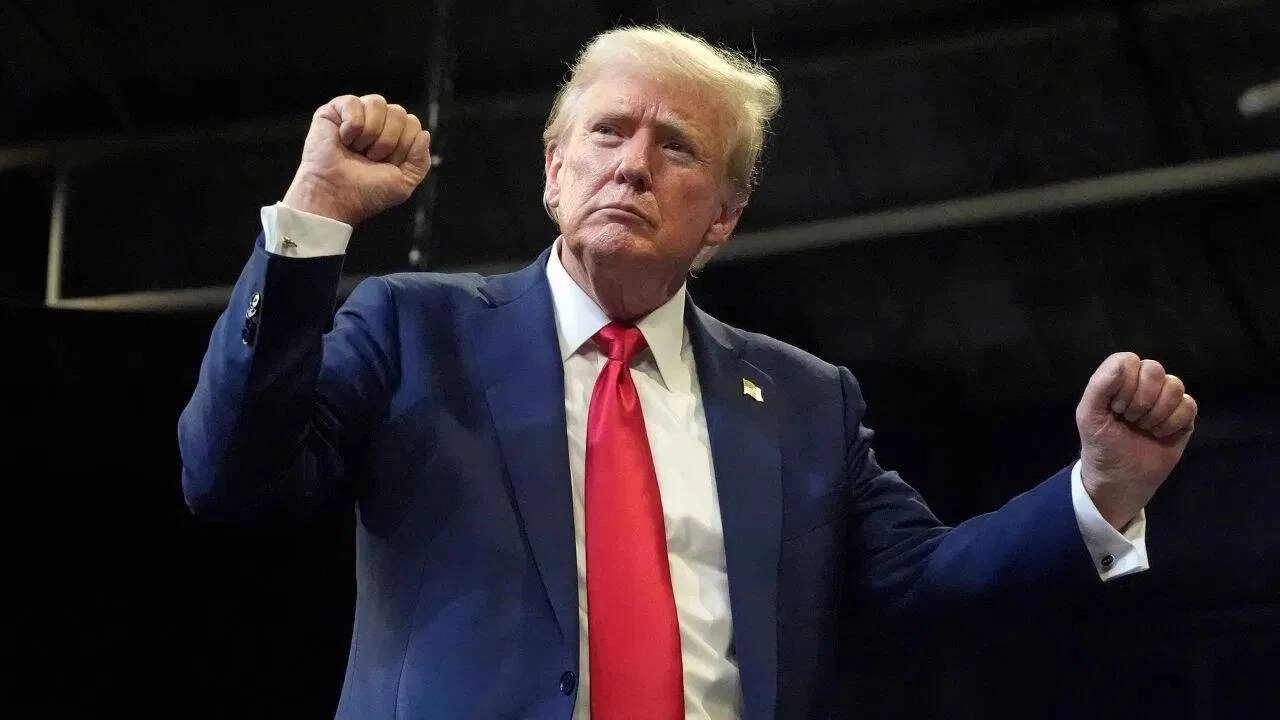
Former President Donald Trump’s recent comments regarding Iran have sparked significant controversy, especially in the context of ongoing conflicts in the region. Trump stated, “Iran wants to talk, but I said it’s too late now,” highlighting the complex and often tense relationship between the United States and Iran. His remarks suggest a staunch position against negotiations, which could have far-reaching implications for diplomatic relations and regional stability.
The backdrop of Trump’s statements is marked by heightened tensions and military engagements in the Middle East. With various factions involved and a history of mistrust, the prospect of dialogue with Iran is fraught with challenges. Critics argue that Trump’s refusal to engage in discussions could exacerbate the situation, potentially leading to further escalation of conflicts. Supporters, however, believe that a tough stance is necessary to protect U.S. interests and deter Iranian aggression.
Reactions to Trump’s comments have been mixed, with some applauding his hardline approach and others warning of the dangers of ignoring diplomatic avenues. As the international community watches closely, the stakes are high, and the potential for conflict looms larger. The situation calls for careful consideration of both military and diplomatic strategies, as the future of U.S.-Iran relations remains uncertain amidst ongoing hostilities.


