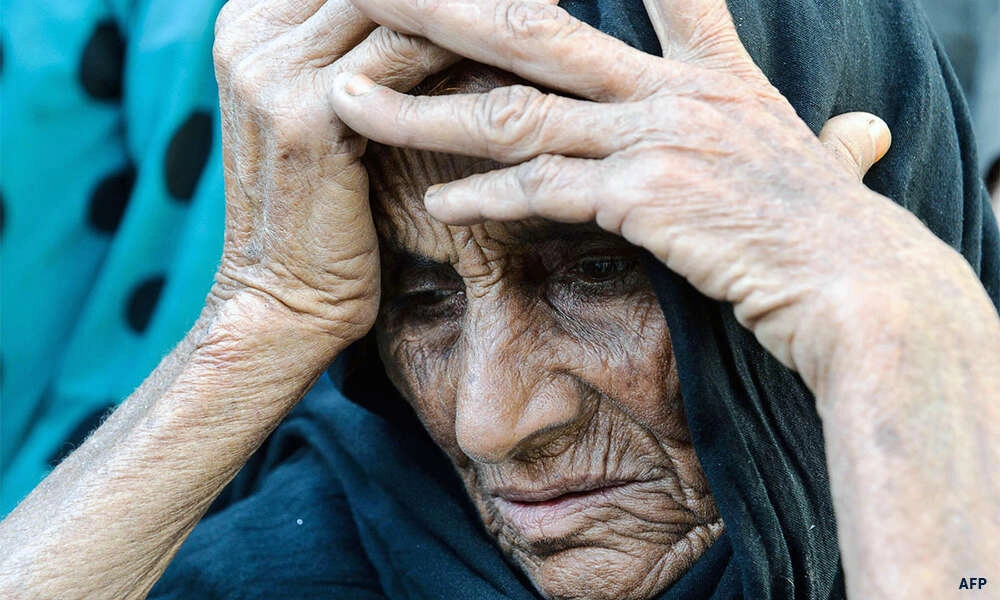
When discussing the world’s most sorrowful countries, it’s essential to consider various socio-economic factors that contribute to a pervasive atmosphere of despair. Nations often classified as the most unhappy typically grapple with issues such as political instability, poverty, and inadequate access to education and healthcare. These factors create an environment where citizens face daily struggles, leading to a general sense of hopelessness and dissatisfaction with life.
For instance, countries like Afghanistan and South Sudan frequently appear in discussions about unhappiness due to ongoing conflicts and humanitarian crises. The continuous violence, displacement, and economic hardships in these regions create a pervasive sense of grief and despair among their populations. Moreover, the lack of basic necessities, such as clean water and food security, exacerbates the situation, leading to a cycle of suffering that seems unending.
Furthermore, the impact of corruption and poor governance cannot be overlooked. In many of these nations, leaders often prioritize their interests over the welfare of their citizens, resulting in a lack of trust in institutions and a feeling of abandonment. This disconnect between the government and the populace contributes significantly to the overall malaise, as individuals feel powerless to effect change in their circumstances.
Additionally, cultural and historical contexts play a crucial role in shaping the emotional landscape of these countries. Generational trauma, stemming from years of conflict, colonialism, or oppression, can perpetuate feelings of sorrow and loss. As communities struggle to rebuild, the weight of their history often hangs heavily over them, making it challenging to foster hope and resilience.
In conclusion, the factors contributing to the sadness in these countries are multifaceted and deeply intertwined. By understanding the complexities behind these issues, we can better appreciate the struggles faced by individuals living in these regions and the urgent need for international support and intervention to help alleviate their suffering.