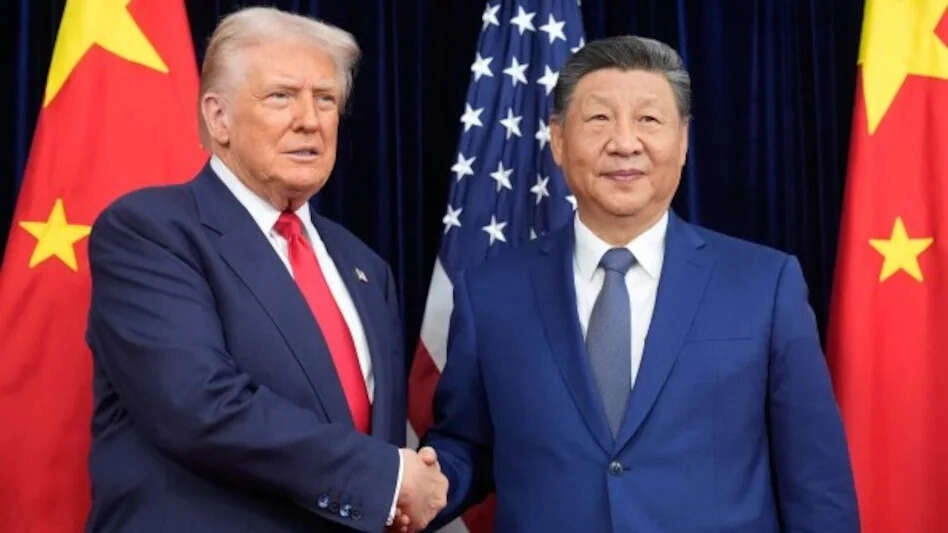
Iran has reportedly executed a significant digital attack that has drawn considerable attention. The incident involves a fabricated AI-generated video that portrays an alleged meeting between former U.S. President Donald Trump and Chinese President Xi Jinping. This manipulated video has raised eyebrows, not just for its content but for the implications it carries regarding the use of artificial intelligence in misinformation campaigns.
In recent years, the rise of AI technologies has transformed the landscape of digital communication, making it easier to create realistic but false representations of events. The Iranian authorities seem to have taken advantage of this technological advancement to craft a narrative that ridicules the leaders of two major global powers. By doing so, they are not only attempting to undermine the credibility of these leaders but also sending a message about their own technological capabilities in the realm of digital warfare.
The implications of such digital attacks are profound. They highlight the vulnerabilities in global information systems and the ease with which misinformation can be spread. As nations increasingly rely on digital platforms for communication and information dissemination, the potential for AI-generated content to manipulate public perception becomes a pressing concern. The incident serves as a reminder of the ongoing battle against misinformation and the need for robust measures to verify the authenticity of digital content.
In response to this incident, there may be calls for increased scrutiny of AI technologies and their applications in political discourse. It emphasizes the necessity for media literacy and critical thinking skills among the public to discern credible information from fabricated content. As countries navigate the complexities of digital diplomacy and information warfare, this incident underscores the importance of vigilance in safeguarding truth in an era where reality can be easily distorted.