The recent passing of Iran’s Supreme Leader has prompted a significant outpouring of grief and support from around the globe. People from various countries and backgrounds are making arrangements to attend the funeral, which is expected to be a monumental event. The Supreme Leader held a pivotal role in shaping Iran’s policies and international relations, making his funeral not just a national event, but one that resonates on a global scale. Many view this gathering as an opportunity to pay their respects and reflect on the legacy left behind by a leader who had a profound impact on the Middle East and beyond.
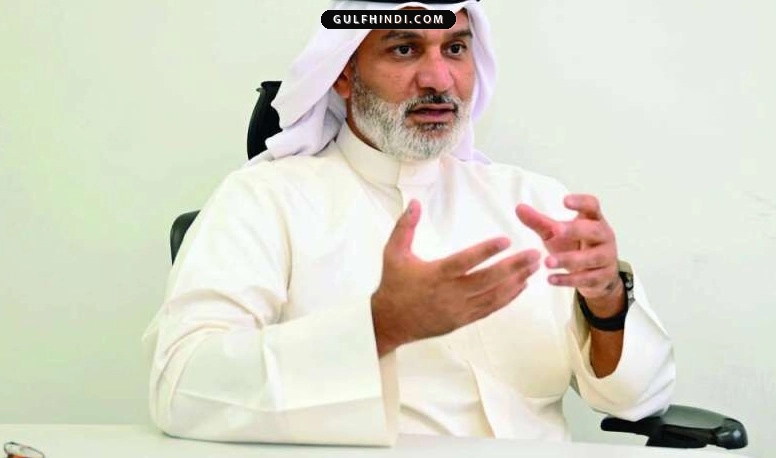
The condolences have also extended to prominent figures in the oil industry, notably the head of OPEC, who issued a heartfelt message expressing sorrow over the Supreme Leader’s death. This gesture underscores the interconnectedness of global politics and economics, particularly in the context of oil production and trade. The Supreme Leader’s influence on OPEC’s strategies and policies was significant, and his absence will undoubtedly be felt within the organization as well as in the broader energy sector.
As the world prepares for the funeral, discussions are emerging about the future of Iran and its leadership. The event is expected to draw high-profile attendees, including foreign dignitaries and influential figures, all eager to demonstrate their respect and acknowledge the Supreme Leader’s role in regional dynamics. This moment also raises questions about the potential shifts in Iran’s political landscape, as the nation navigates the challenges and opportunities that lie ahead in the wake of this monumental loss. The coming days will be crucial not only for Iran but also for the international community, as they observe how this transition unfolds.