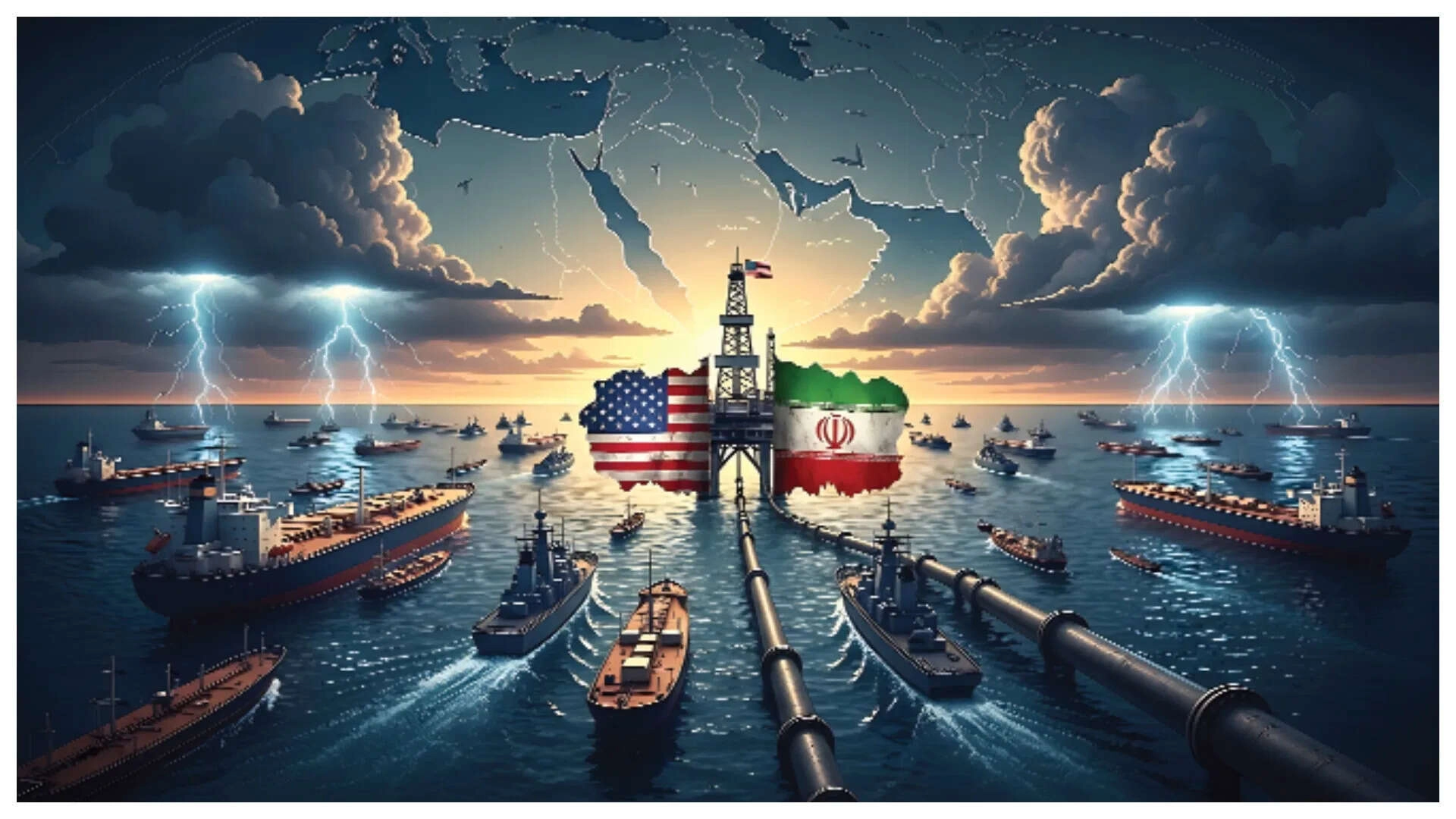
India has recently received a reprieve in its purchase of Iranian oil, a development that has significant implications for the country’s energy security and economic stability. The shift in strategy by the United States regarding Iranian oil sanctions has caused a stir in international markets and raised questions about the motivations behind this change. Historically, the U.S. has maintained a strict stance against countries engaging in trade with Iran, especially regarding its oil exports, which are crucial to the Iranian economy. However, the recent easing of restrictions reflects a complex interplay of geopolitical considerations, economic factors, and the evolving energy landscape.
One of the primary reasons for this sudden shift in U.S. policy could be attributed to the changing dynamics of global oil supply and demand. As the world grapples with fluctuating energy prices and the quest for energy security, the U.S. may have recognized the need for a more pragmatic approach. The ongoing conflict in Ukraine, coupled with tensions in other oil-producing regions, has led to concerns about stability in global oil markets. By allowing countries like India to resume imports from Iran, the U.S. might be attempting to mitigate potential supply shortages and stabilize prices.
Moreover, the U.S. may also be considering its broader strategic interests in the region. Strengthening economic ties with India, a key partner in countering China’s influence in Asia, could be a pivotal aspect of this new approach. By permitting India to purchase Iranian oil, the U.S. may be fostering goodwill and enhancing bilateral relations, which could be beneficial in various geopolitical arenas. This strategic maneuvering illustrates the complexities of international relations, where economic interests often intersect with political goals.
In conclusion, India’s newfound ability to purchase Iranian oil underscores a significant shift in U.S. policy that is likely influenced by a combination of economic pragmatism and strategic considerations. As global energy markets continue to evolve, this development will be closely watched by nations and analysts alike, as it could have far-reaching implications for energy security and international relations in the years to come. The interplay of diplomacy, economics, and energy politics remains a critical area of focus in understanding the future of U.S.-Iran relations and India’s role in the global energy landscape.