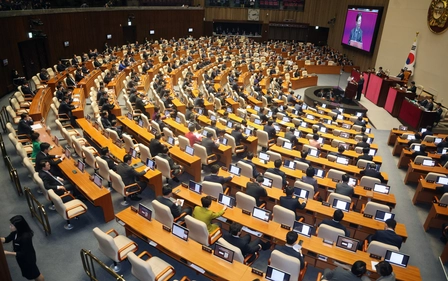
In South Korea, the National Assembly is preparing to vote on an additional budget bill aimed at mitigating the impact of the Middle East conflict on the nation’s economy. This legislative move reflects the government’s proactive approach to addressing the economic challenges stemming from geopolitical tensions in the region. The ongoing conflict has significant implications, not only for the local economy but also for energy prices, trade relations, and overall stability.
The additional budget is expected to provide financial resources that can be utilized to support various sectors affected by the conflict, particularly those reliant on energy imports. South Korea, being one of the largest importers of crude oil, is particularly vulnerable to fluctuations in global oil prices driven by instability in the Middle East. By allocating funds to buffer these economic shocks, the government aims to stabilize the domestic market and ensure that citizens are not adversely affected by the rising costs of living.
Moreover, this budget bill is also seen as a crucial step towards maintaining public confidence in the government’s ability to manage external pressures. As the situation in the Middle East evolves, the South Korean administration is keen on demonstrating its commitment to safeguarding the nation’s economic interests. The outcomes of the vote will likely influence future fiscal policies and the government’s response to international crises, highlighting the importance of legislative support in times of economic uncertainty. With the assembly’s decision looming, stakeholders are closely monitoring the developments, understanding that the implications of this budget could resonate well beyond South Korea’s borders.