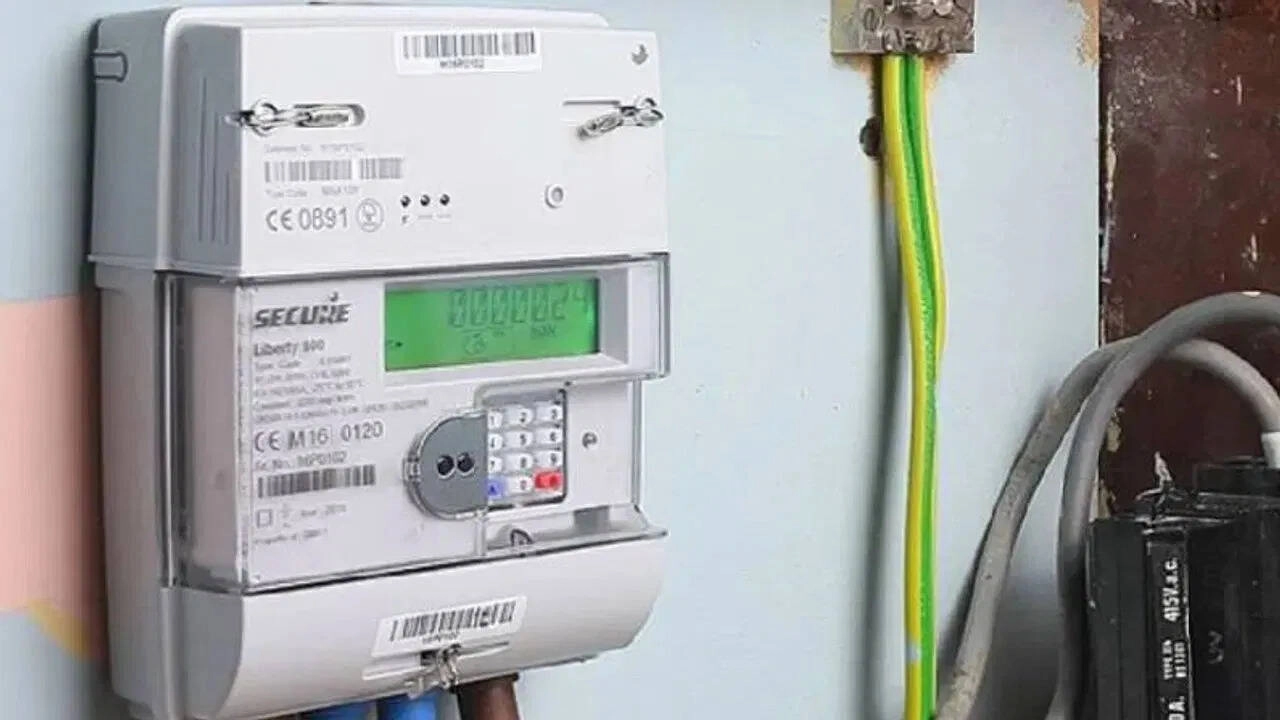
In Uttar Pradesh, a staggering 5 million electricity consumers are currently in arrears, creating a significant challenge for the state’s power distribution companies. The introduction of prepaid meters has added another layer of complexity to this situation. As soon as these meters are installed, many consumers find their balances going into the negative, indicating that they owe more than they have prepaid for their electricity usage. This development raises critical questions about how to effectively recover the outstanding debts from these consumers.
The transition to prepaid metering was intended to streamline electricity consumption and billing, allowing consumers to pay for their usage in advance. However, the unintended consequence has been a growing number of customers facing negative balances. This situation is particularly concerning for the power companies, as recovering debts from such a large number of defaulters can be both time-consuming and resource-intensive. The challenge lies in devising strategies that can encourage timely payments while also addressing the financial strain many consumers may be facing.
To tackle this issue, the government and electricity distribution companies must consider implementing various recovery strategies. These could include offering flexible payment plans, providing incentives for early settlement of dues, or enhancing consumer education about the importance of timely payments. Additionally, there may be a need to reassess the billing and metering systems to ensure they are fair and transparent, helping consumers understand their usage and payments better. The path forward will require collaboration between the government, power companies, and consumers to create a sustainable solution that addresses both the financial health of the power sector and the needs of the consumers.