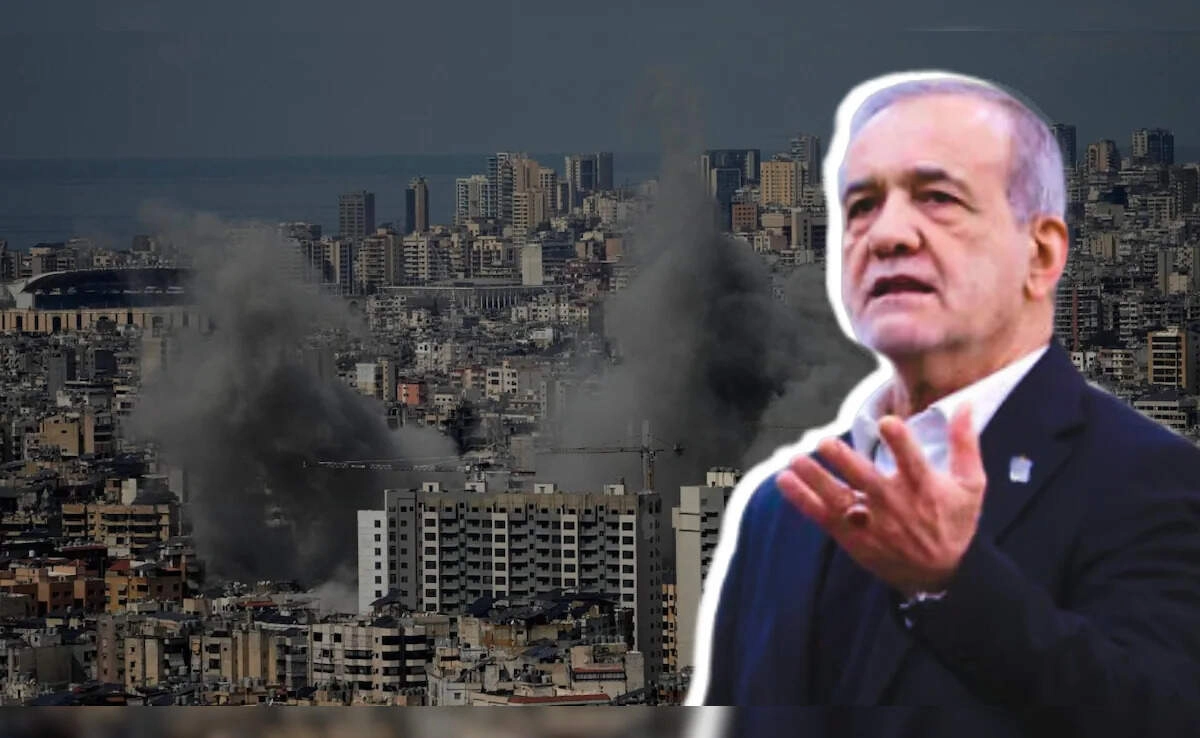
Amid escalating tensions with the United States, Iran is currently experiencing a significant political crisis. The situation has intensified following the resignation of Masoud Pezeshkian, a prominent figure in Iranian politics. His decision to step down has raised eyebrows and ignited discussions about the underlying issues plaguing the Iranian political landscape. Pezeshkian, who has been an influential member of the Iranian parliament, cited a combination of personal and political reasons for his resignation. He expressed concerns about the direction of the country and the challenges it faces in the wake of ongoing sanctions and international isolation.
In his statement, Pezeshkian emphasized the need for a new approach to governance in Iran, one that prioritizes the welfare of its citizens and addresses their grievances. He pointed out that the political environment has become increasingly difficult for lawmakers to operate effectively, especially with the mounting pressure from external forces, particularly the United States. This resignation not only highlights the internal struggles within the Iranian government but also reflects the broader discontent among the populace regarding economic hardships and lack of political freedoms.
The timing of Pezeshkian’s resignation is particularly critical, as it coincides with heightened scrutiny of Iran’s foreign policies and domestic governance. Observers believe that his departure may signal a shift in the political dynamics within the country. It raises questions about the future of leadership in Iran and how the government will respond to both internal dissent and external pressure. The political landscape is in flux, and the implications of such changes could resonate beyond Iran’s borders, affecting regional stability and international relations.
As the world watches closely, it remains to be seen how the Iranian government will navigate this turbulent period. The resignation of a key political figure like Pezeshkian could pave the way for new policies or reinforce existing tensions, depending on the direction that the remaining leaders choose to take. The unfolding events in Iran are likely to have significant repercussions, not just for the country itself but also for its interactions with the international community, particularly with nations like the United States that have been critical of its actions and policies.