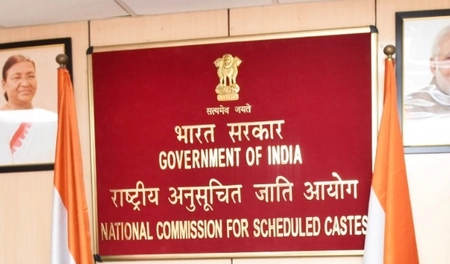
The National Commission for Scheduled Castes (NCSC) has taken a firm stance on the ongoing controversy surrounding the census in Punjab. The commission has expressed its concerns regarding the use of derogatory language during discussions related to the census, particularly in the context of the representation and rights of Scheduled Castes. This issue has raised significant alarm among various communities, as the language used can often reflect deeper societal attitudes and biases that impact marginalized groups.
In light of these developments, the NCSC has demanded a comprehensive report addressing the use of insulting and demeaning terms that have surfaced in the discourse around the Punjab census. The commission’s call for accountability highlights the importance of respectful dialogue in matters that affect the rights and dignity of individuals belonging to Scheduled Castes. The implications of such language can be far-reaching, perpetuating stigma and reinforcing systemic inequalities that these communities already face.
The NCSC’s intervention signifies a proactive approach to safeguarding the interests of marginalized populations, ensuring that their voices are heard and respected in the political arena. It is essential for government bodies and public discourse to promote inclusivity and sensitivity, especially in discussions that hold significant implications for demographic representation and social justice. The demand for a report underscores the need for oversight and the establishment of guidelines that prevent the use of harmful language in official communications and public discussions.
As the debate surrounding the Punjab census continues, the NCSC’s actions serve as a reminder of the ongoing struggles for equality and respect faced by Scheduled Castes and other marginalized groups in India. The commission’s efforts are crucial in promoting a more equitable society where all individuals, regardless of their caste or background, are treated with dignity. The resolution of these issues will ultimately depend on a collective commitment to fostering an environment free from prejudice and discrimination.